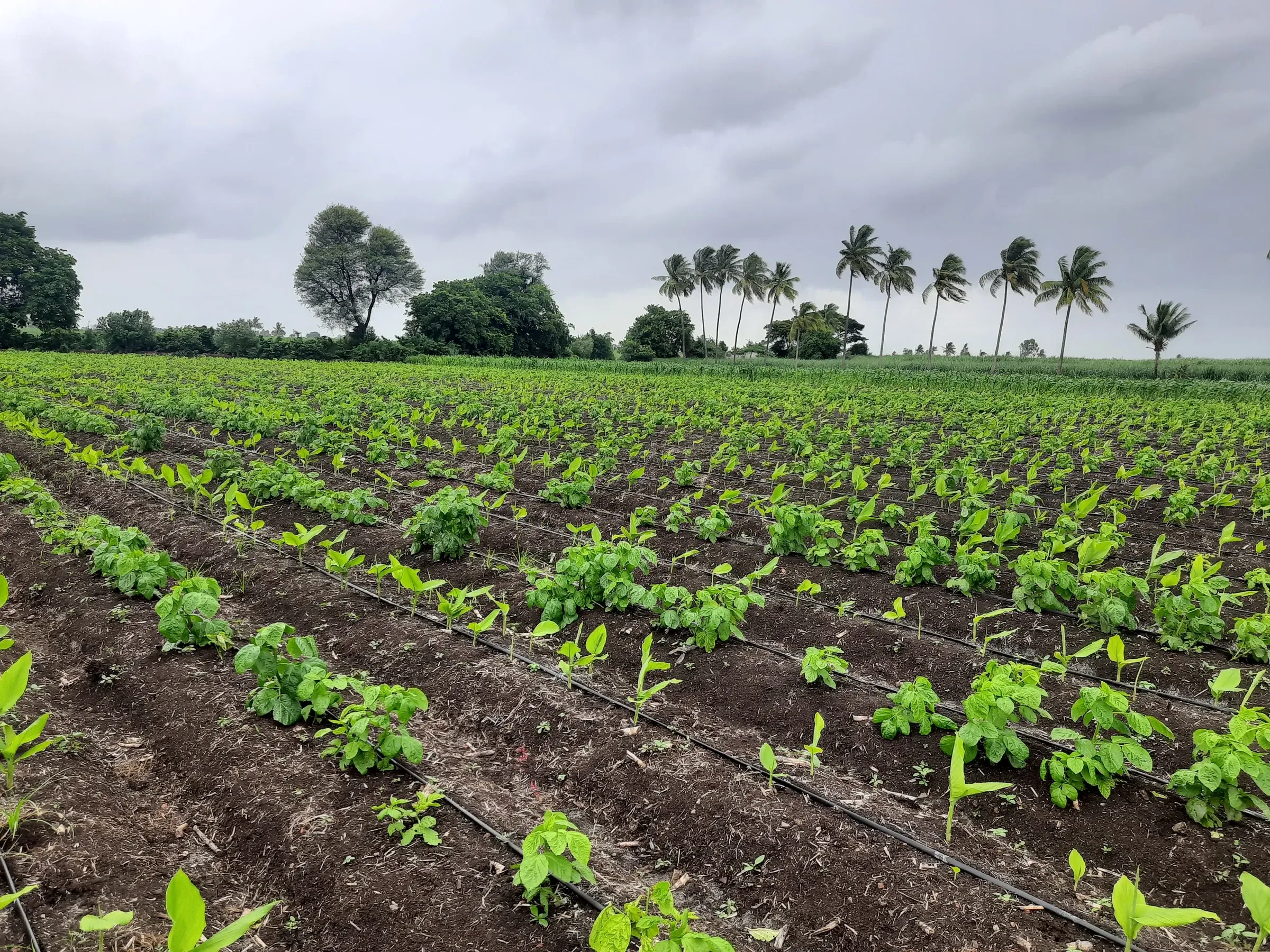
When Captain Mahesh Khochare came home to Sangli after twenty-five years in the Indian Navy, the family land looked like almost every other farm in the belt: sugarcane, edge to edge. Cane is what this region knows. The mills are here, the habits are here, and the crop is as close to a default as farming gets.
He pulled it out anyway.
The problem with the default
Sugarcane is a dependable crop, but dependable is not the same as good. It stands in the field for over a year before it earns a rupee. It drinks enormous amounts of water — in a state where irrigation is a constant argument, cane takes far more than its share. And when it is finally cut, the price is set by the mill, not the farmer.
For a farmer with a few acres, that adds up to a long wait for a thin, fixed margin on a thirsty crop.
What turmeric changes
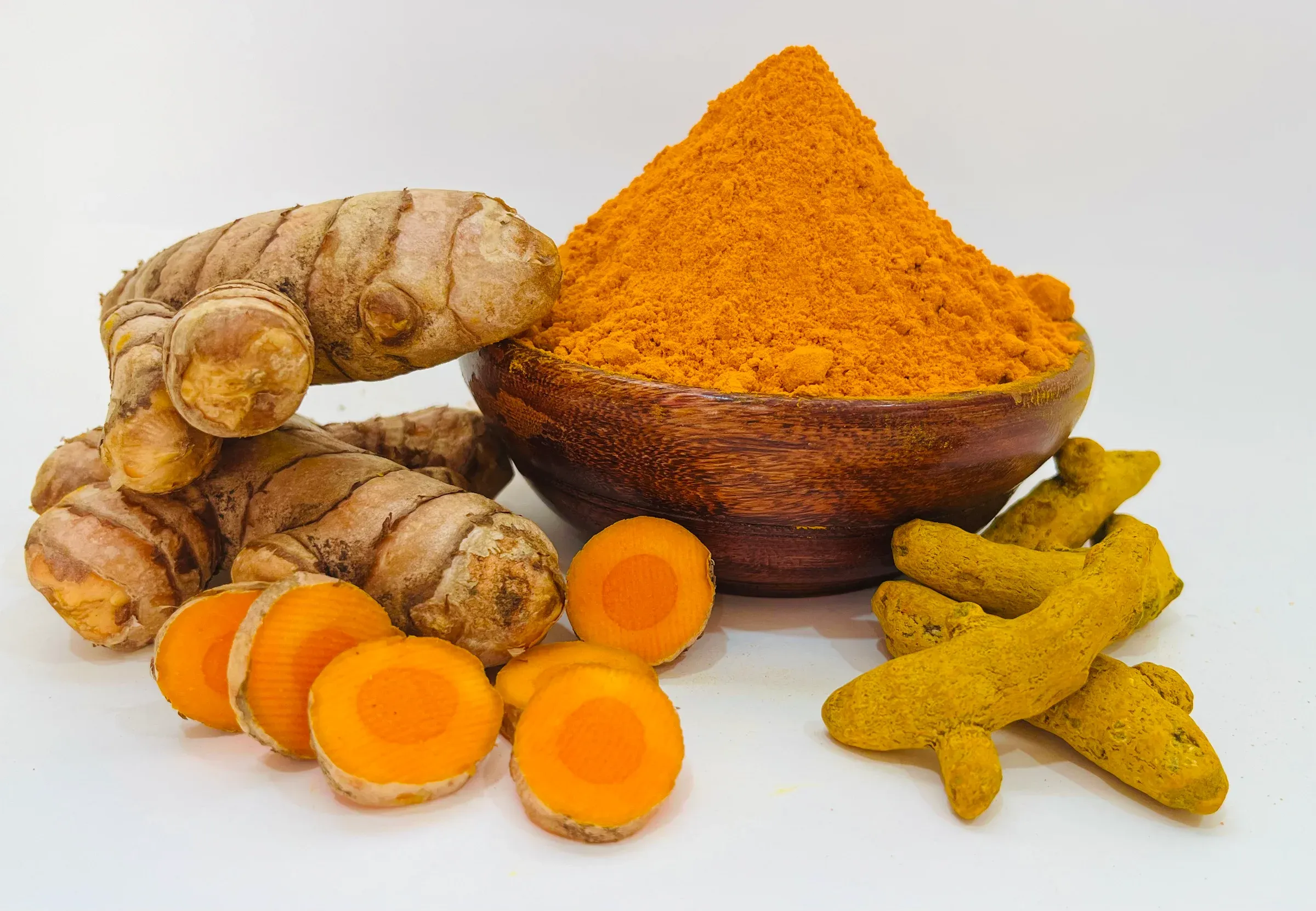
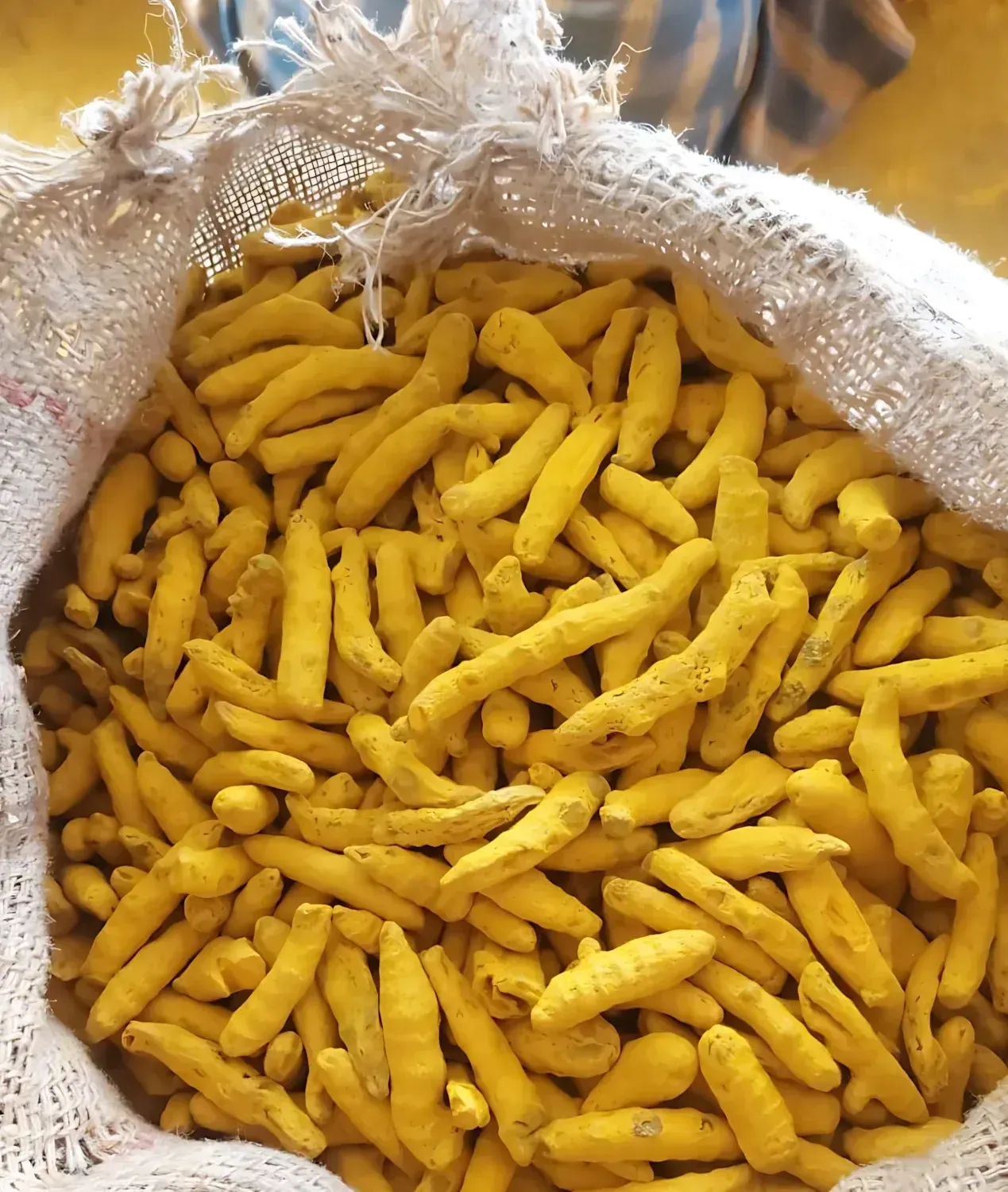
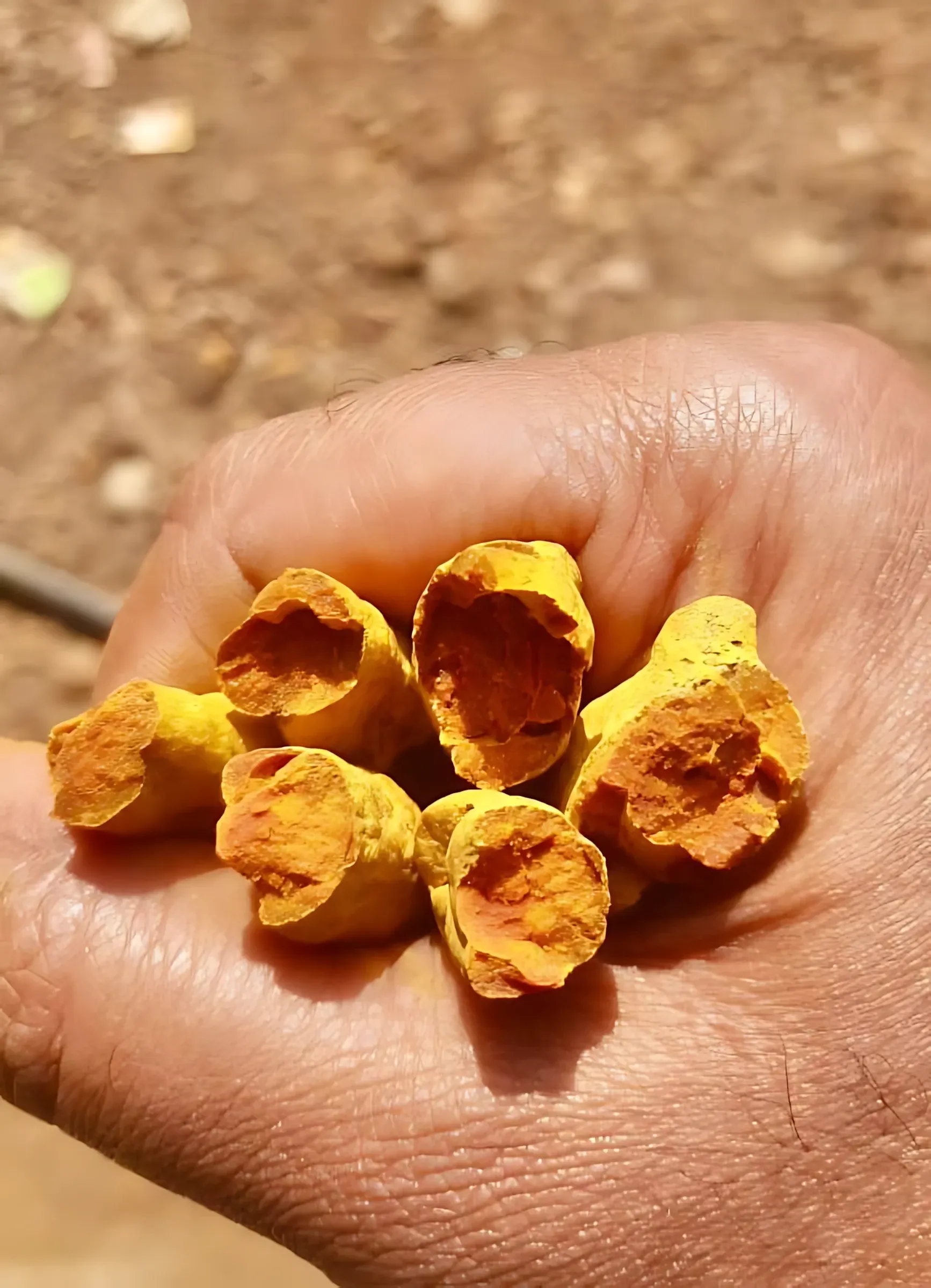
The same black, well-drained soil that grows cane happens to be some of the best turmeric ground in the country — Sangli’s market yard trades more turmeric than anywhere else in India, and the belt’s haldi has a reputation the trade has respected for generations.
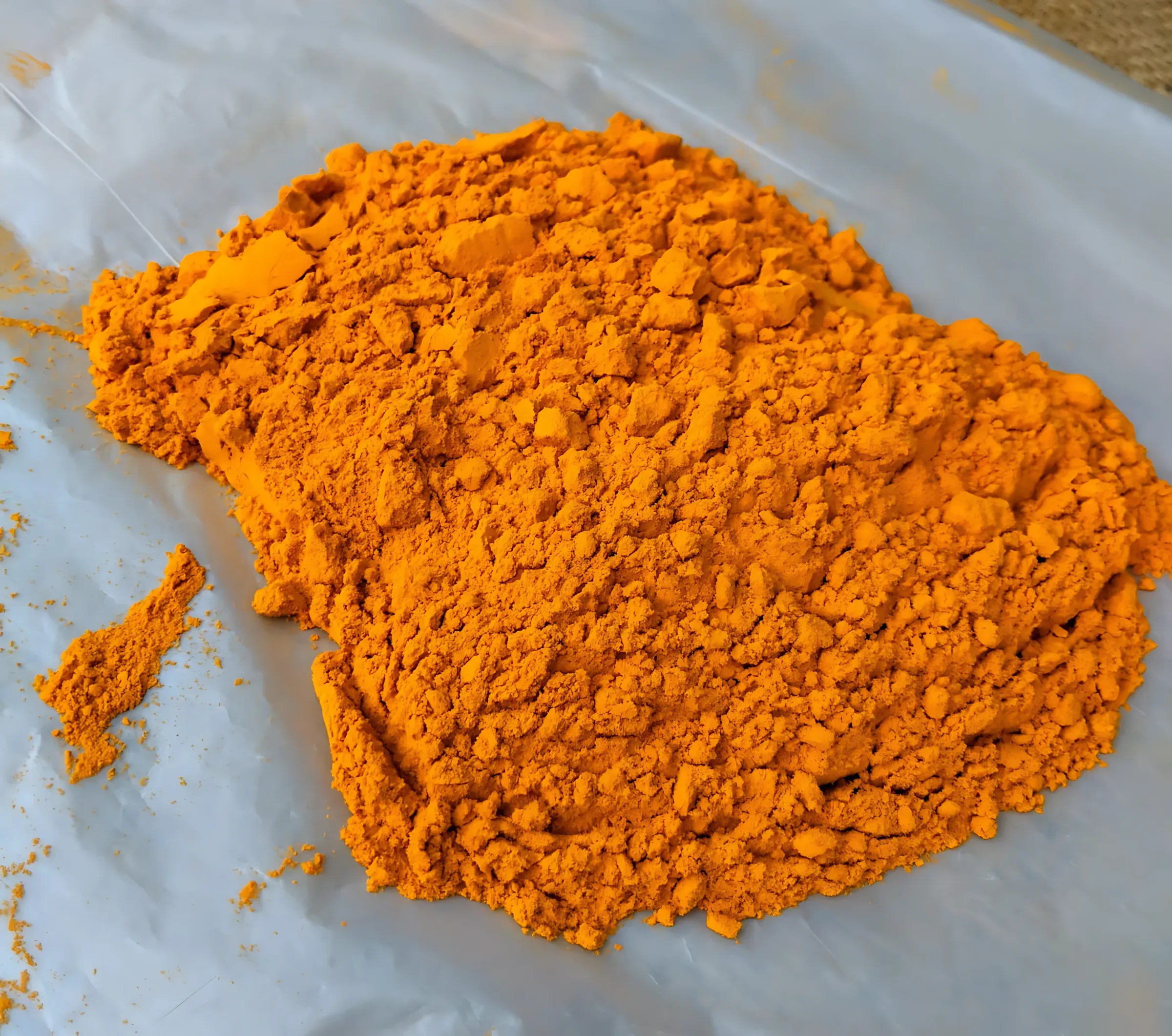
Acre for acre, a well-managed turmeric crop can put considerably more money in a farmer’s hand than cane, in less time, using less water. It also sells into a market that rewards quality: clean, unpolished, single-origin haldi commands a premium that anonymous mill cane never will.
Leading by example
Asking farmers to abandon the region’s default crop is a big ask — so the Captain didn’t start by asking. He converted the family’s own fields first, took the risk on his own land, and let the neighbours watch the numbers.
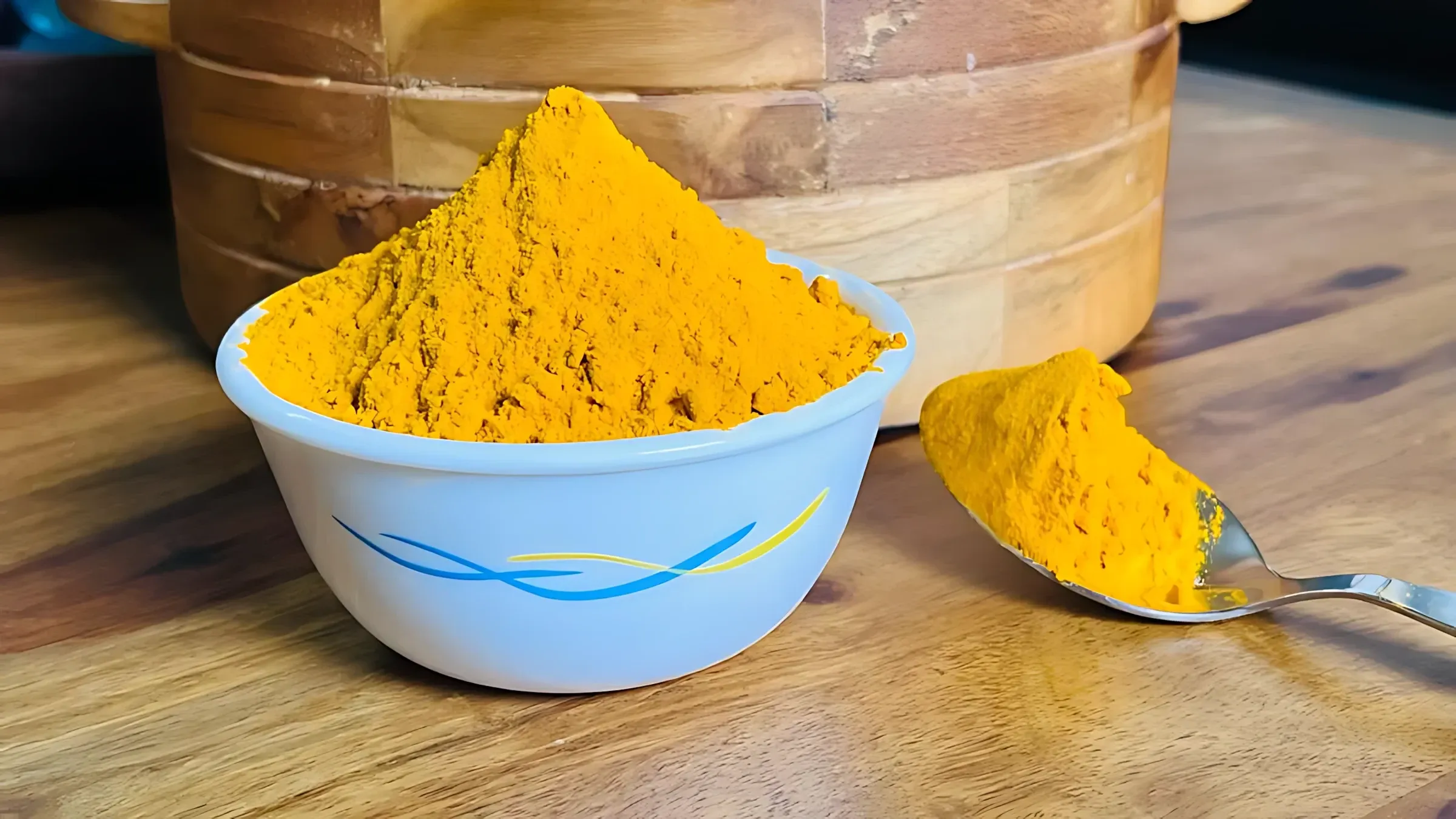
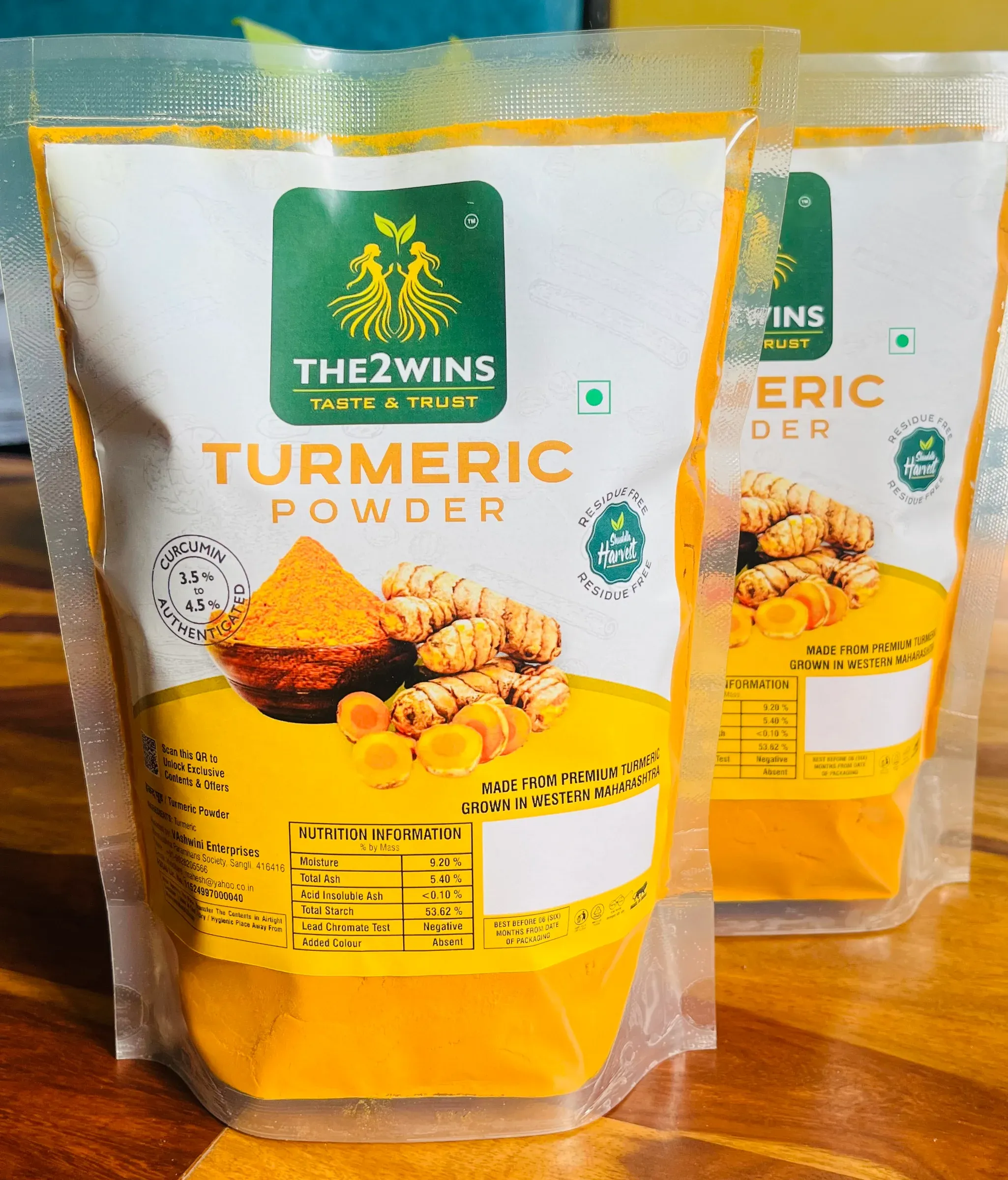
That is the farm half of our two wins. Every jar of turmeric we sell is part of the case, made season after season, that a farmer in this belt can earn more from the same soil.
Figures on crop economics vary by season, water and market — the comparison above reflects our own fields and partner farms, not a guarantee.