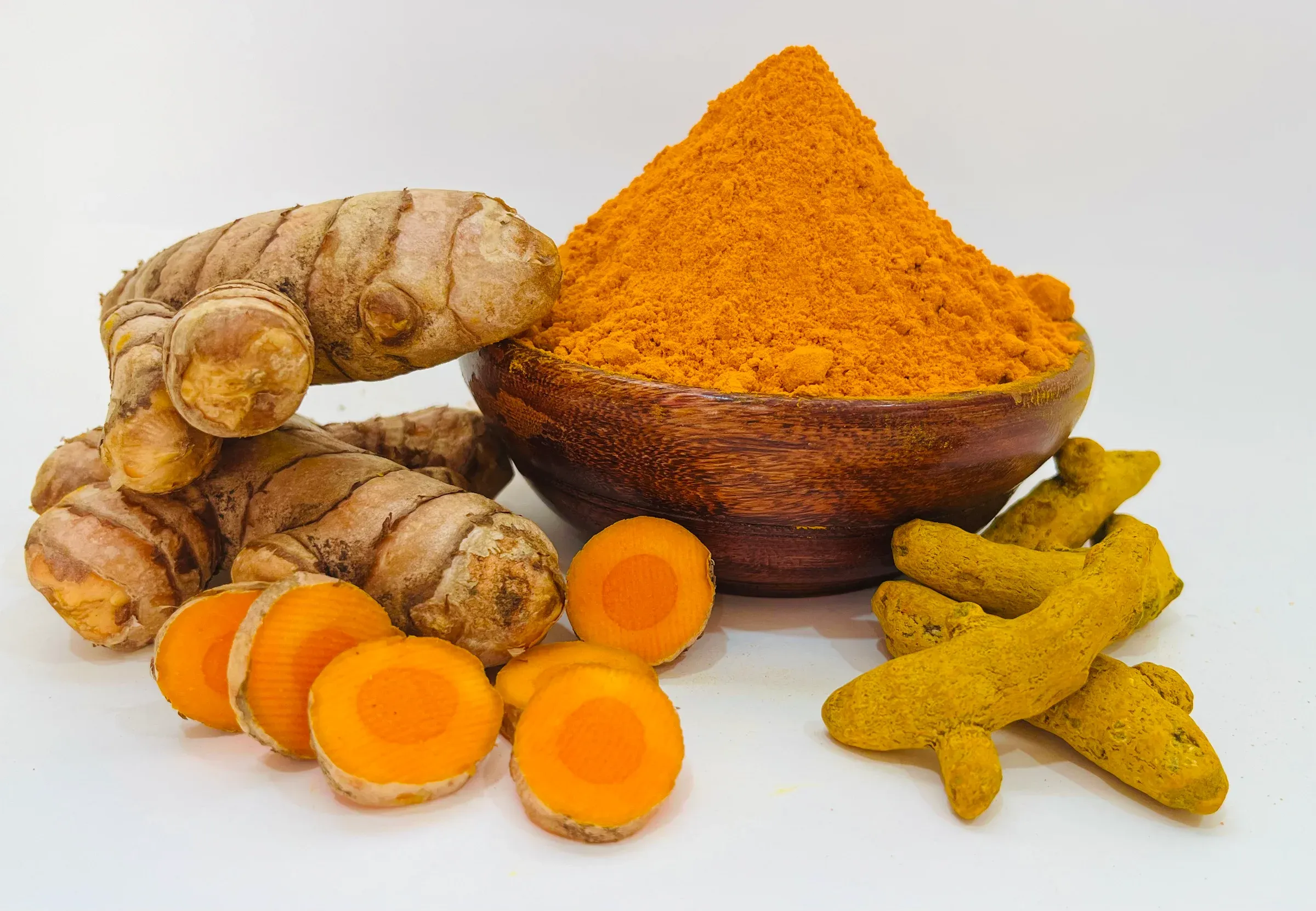
लाकाडोंग हळद · turmeric
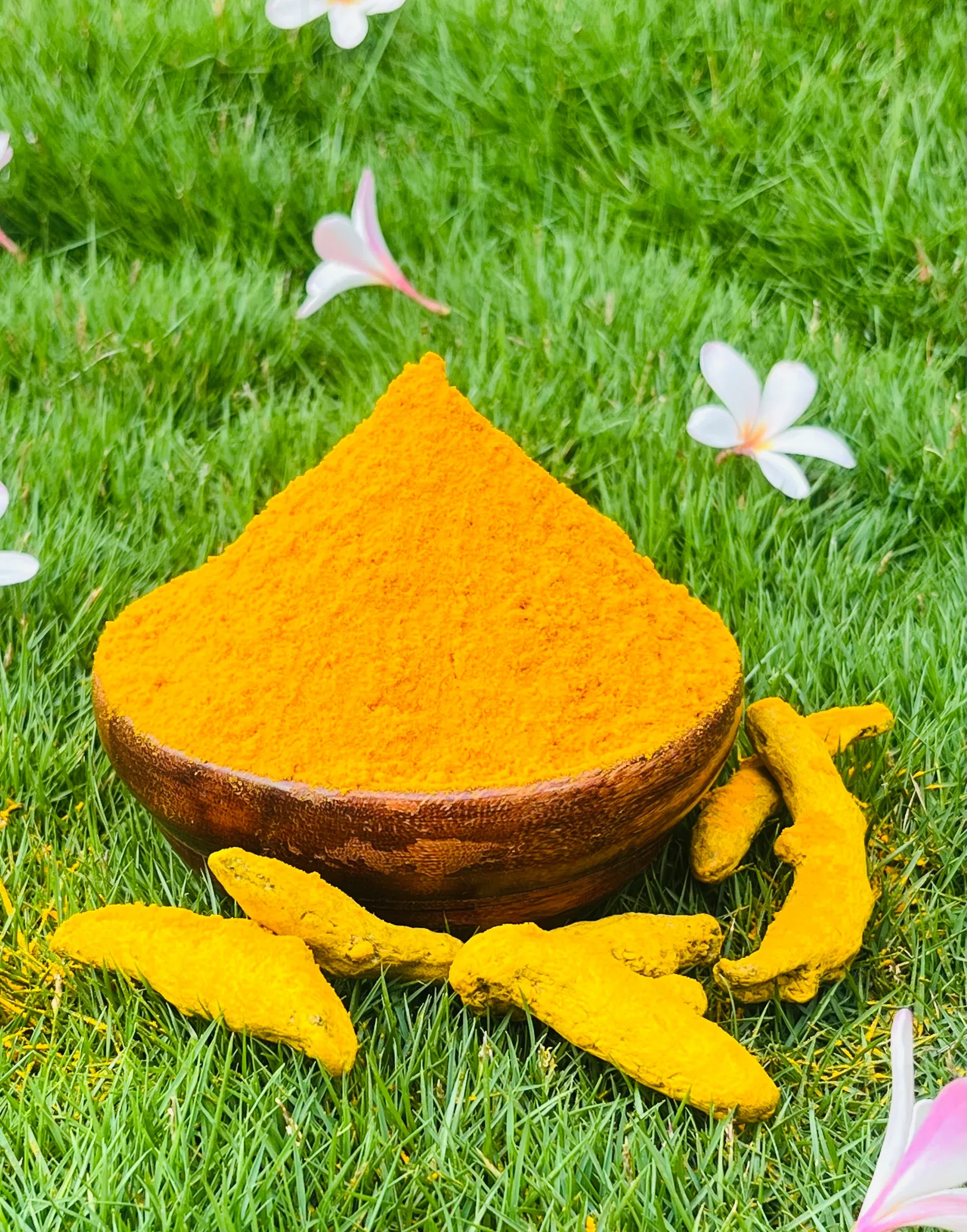
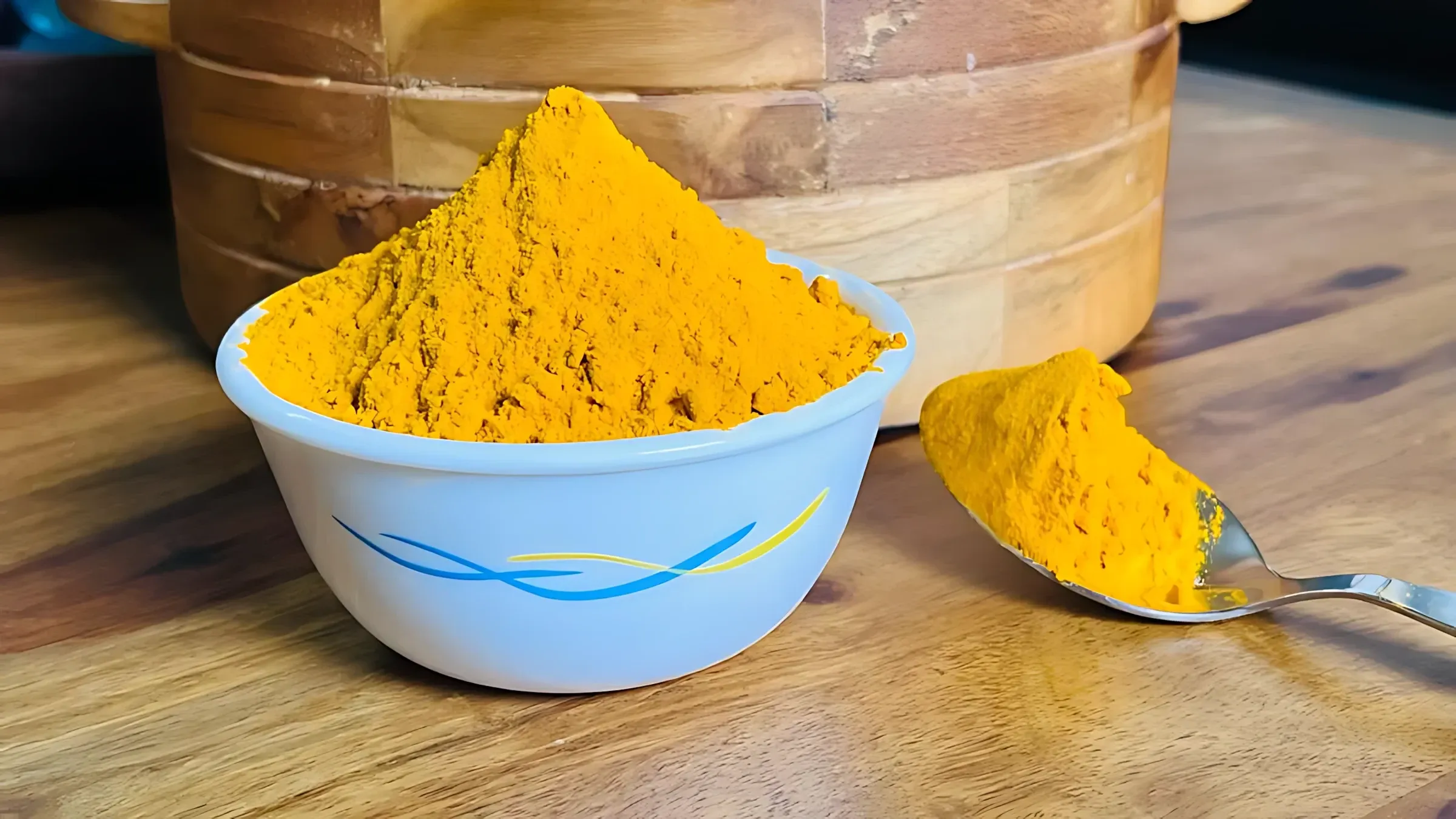
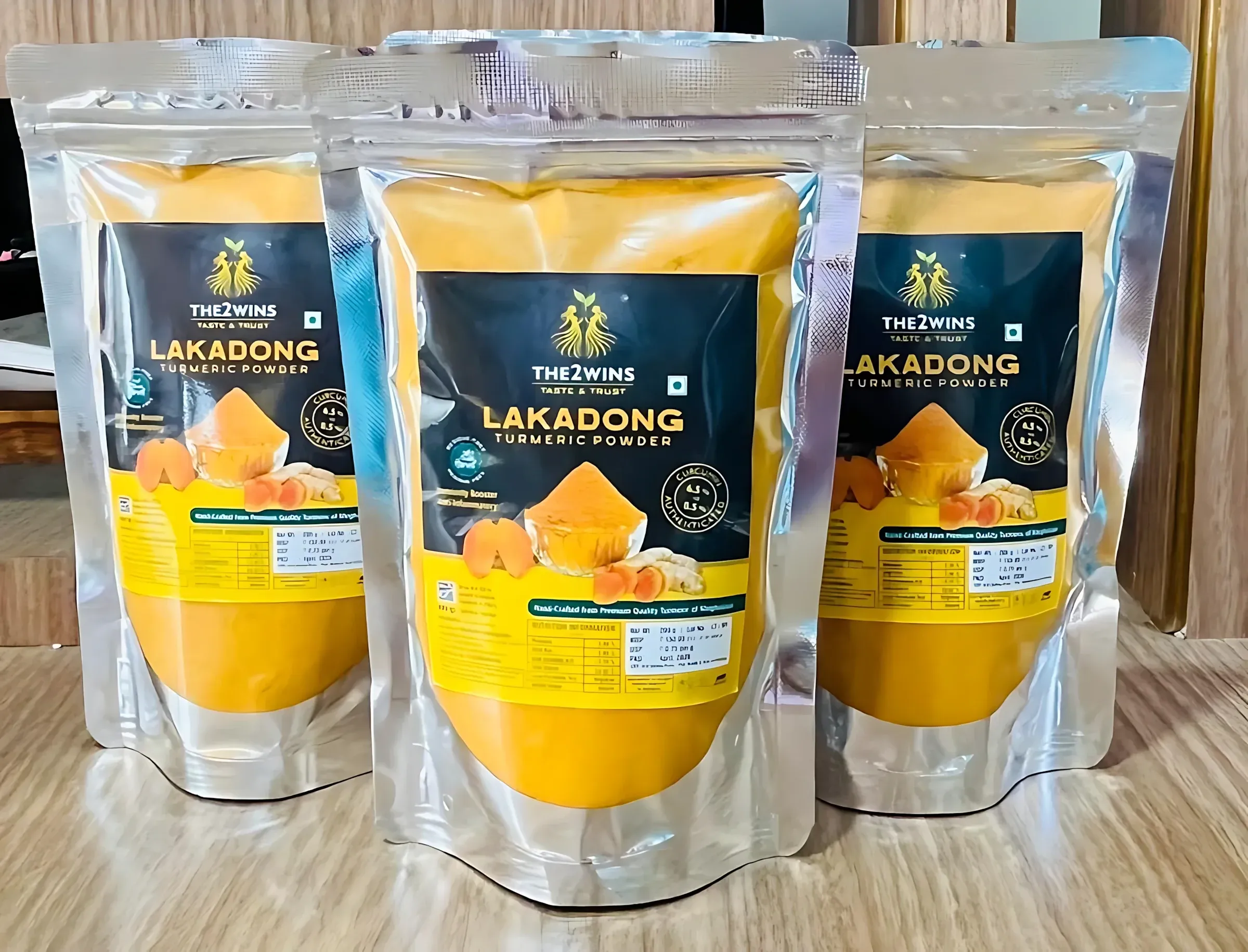
Lakadong Turmeric Powder
6.5–8.5% curcumin, from the Jaintia Hills of Meghalaya.
From ₹160
हळद · turmeric
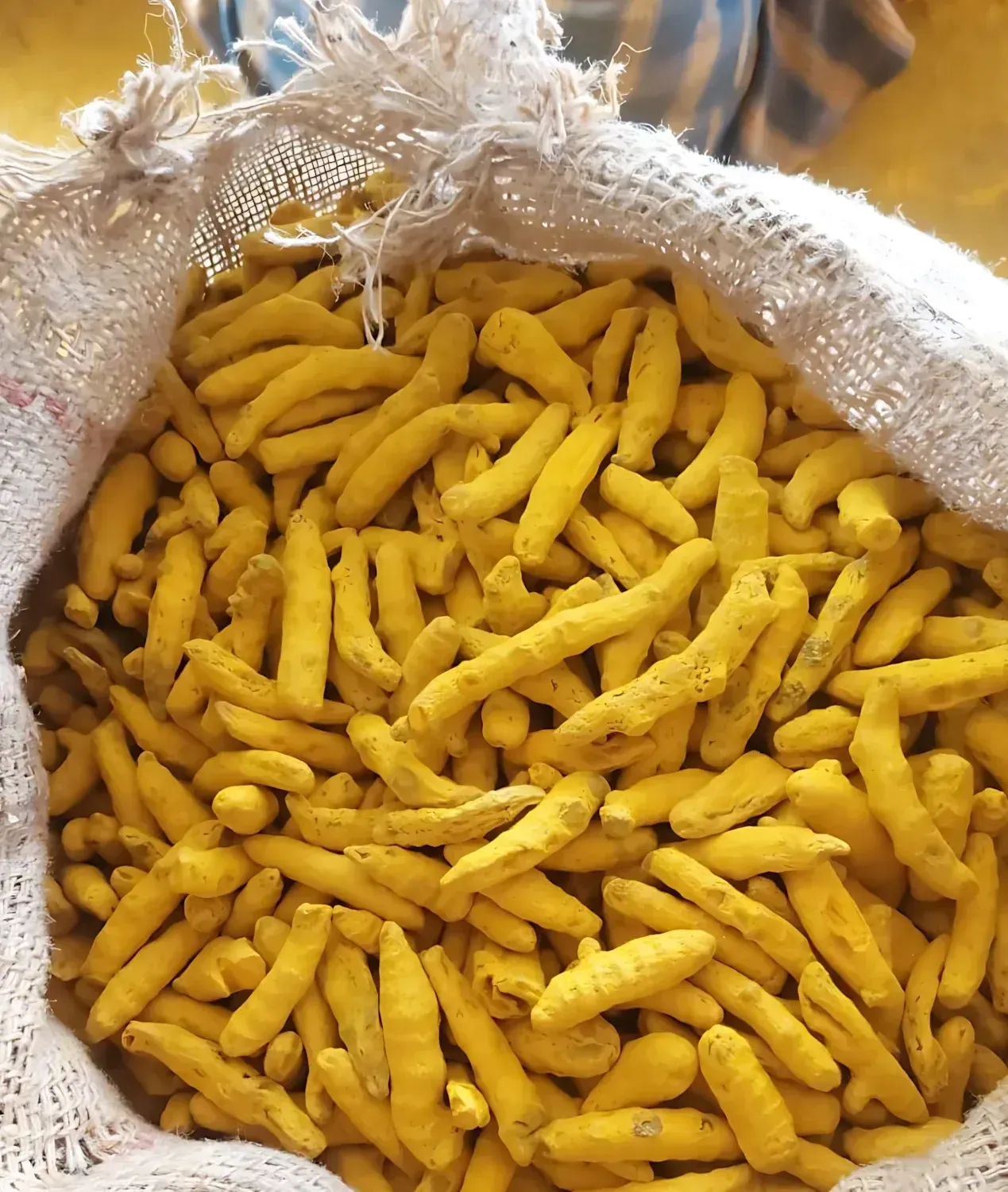
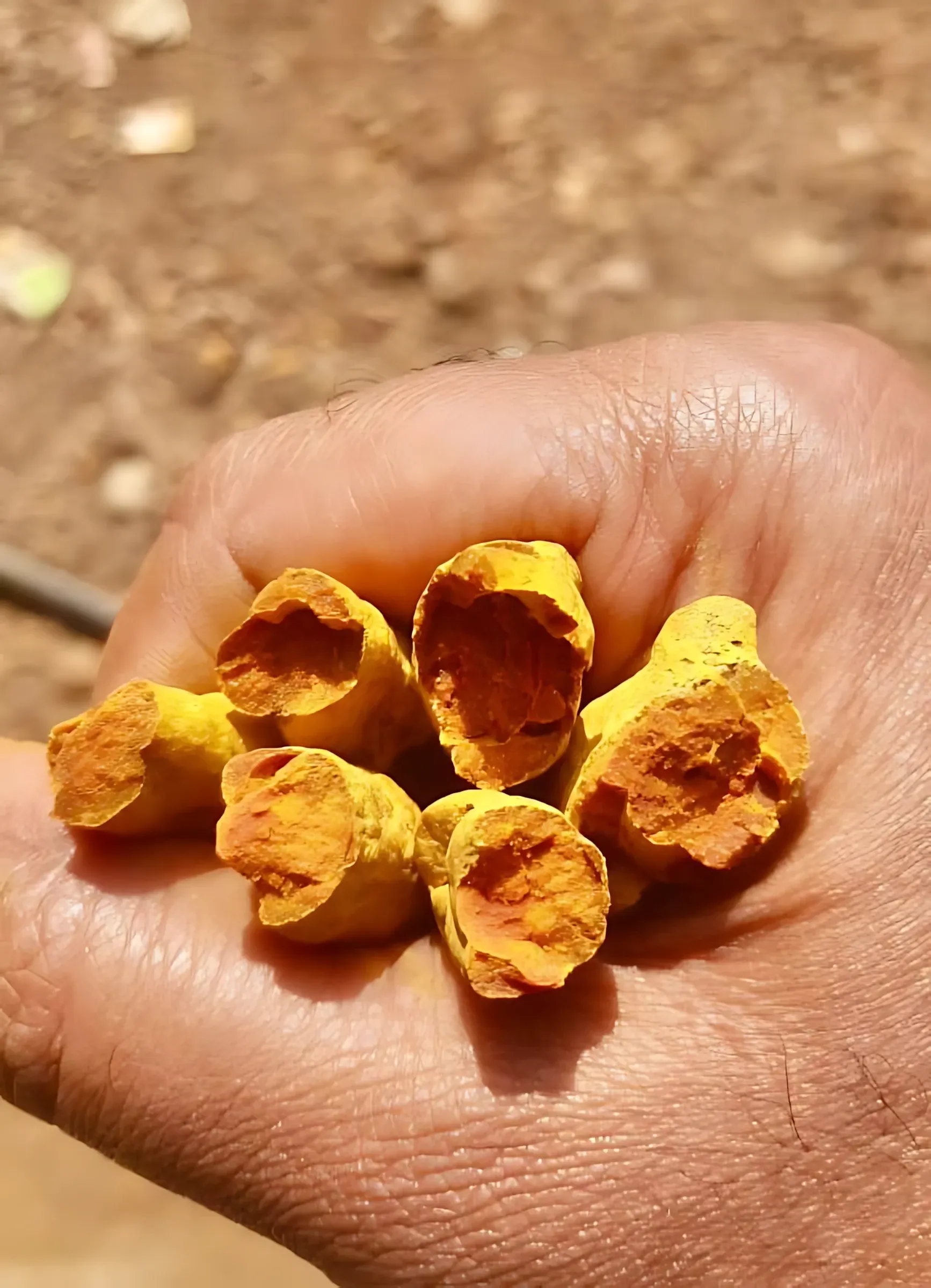
Most turmeric is sold as just "haldi" — anonymous yellow powder. Ours carries names and numbers: turmeric from the Sangli belt, grown in black soil that has made this region Maharashtra's turmeric trade (much of it on our own converted fields); and Lakadong turmeric from Meghalaya's Jaintia Hills, GI Reg. No. 741, at a lab-tested 6.5–8.5% curcumin.
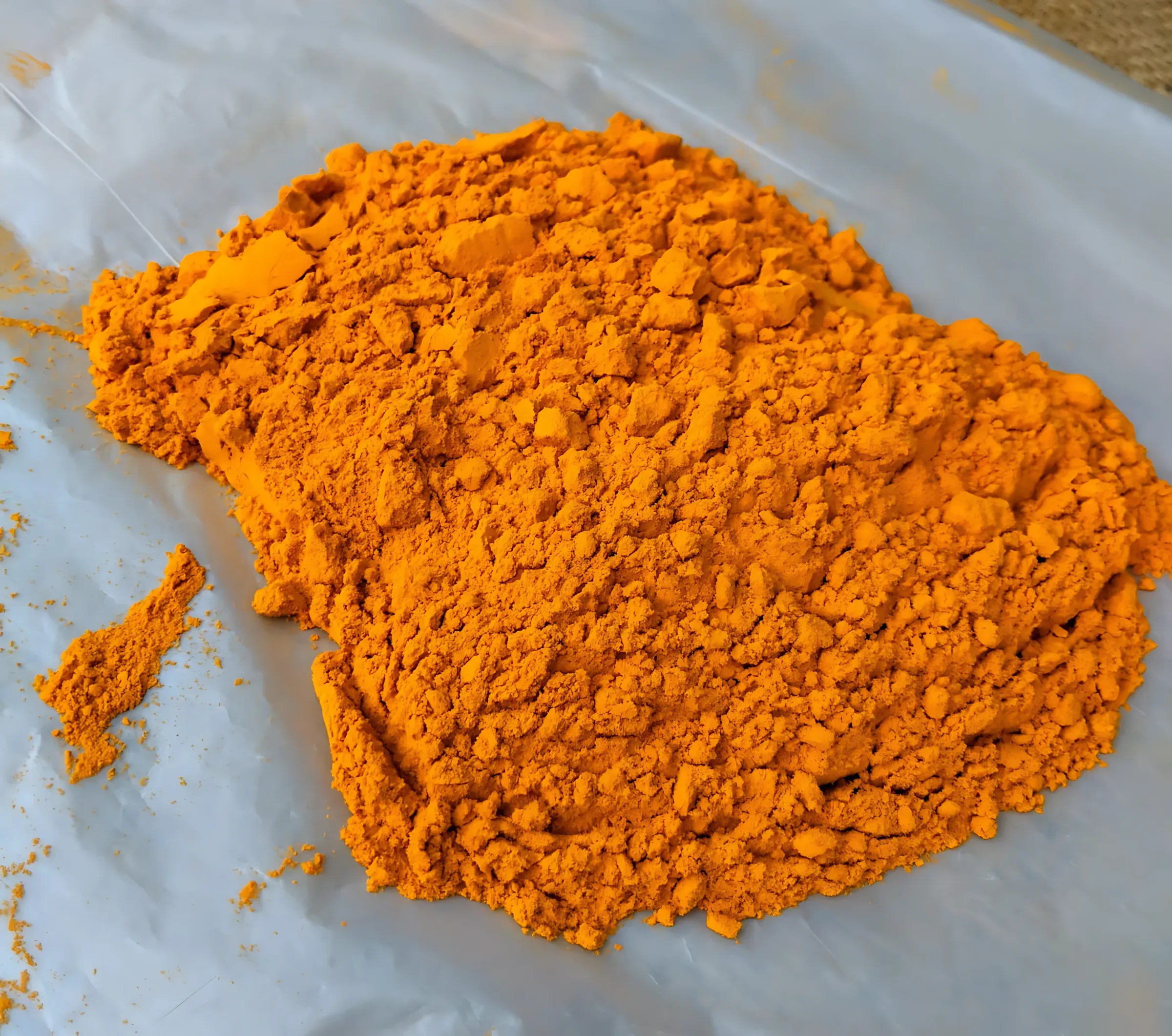
Both are boiled, sun-dried and ground whole — no polishing agents, no added colour, no fillers. If you want an everyday workhorse, take Sangli. If you want turmeric that announces itself, take Lakadong and start with less.
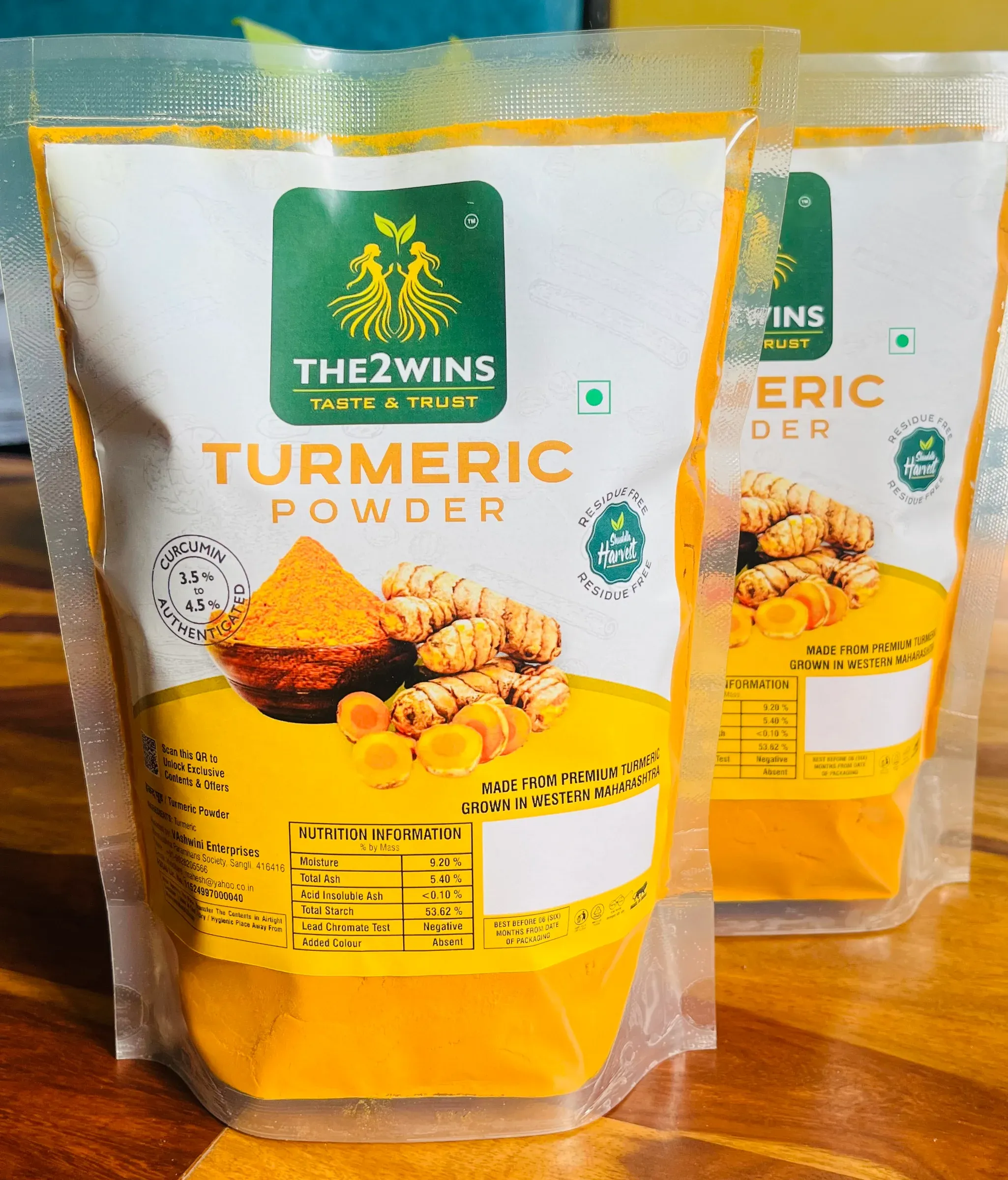
हळद · the range
Prices are per pack; delivery comes back on WhatsApp, usually within the day.
लाकाडोंग हळद · turmeric
6.5–8.5% curcumin, from the Jaintia Hills of Meghalaya.
सांगली हळद · turmeric
The everyday haldi, from the black soil of the Sangli belt.
आमची पद्धत · why ours
Both of our turmerics are traceable to a named region — the Sangli belt and the Jaintia Hills — and Lakadong carries a Geographical Indication registration that ties the name to its place. Anonymous haldi is traceable to nothing.
Commercial haldi is often polished and sometimes dyed to look brighter. Ours is ground from sun-dried fingers and left alone — the colour in the jar is the colour of the crop.
The same farm-gate relationship we keep in Sangli extends a thousand kilometres east: we procure Lakadong directly from hill farmers in the Jaintia Hills.
पाककृती · cook with it
Family recipes from our own kitchen that use this staple.
हळदीचं दूध · Drinks & warmers
The original golden milk — one pan, ten minutes, real Lakadong depth.
पुरण पोळी · Festival cooking
Maharashtra's festival flatbread — chana dal and gur, rolled thin and roasted in ghee.
सुंठ काढा · Drinks & warmers
The monsoon decoction — sunth, haldi and gur simmered into ten warm minutes.
प्रश्न · good questions
Sangli haldi is the everyday one: bright, earthy, right for dals, sabzis and general cooking. Lakadong is the strong one: 6.5–8.5% curcumin on the supplier's crop report, deeper colour and aroma, worth it for haldi doodh and anywhere you want turmeric to actually work. Many kitchens keep both.
Geographical Indication registration legally ties a product name to its region of origin — turmeric sold as Lakadong is supposed to come from the Jaintia Hills, the way Darjeeling tea must come from Darjeeling. It protects both the buyer and the farming community that built the reputation.
Because we do not polish it or add colour. Some market turmeric is buffed with polishing agents or, in the worst cases, dyed with synthetic yellows. Real unpolished haldi is a warm, earthy gold — and it colours your cooking gradually rather than instantly.
Start with less than your usual quantity and adjust — Lakadong is strong in both colour and aroma. Turmeric is fat-soluble, so it works best cooked in ghee or oil, or stirred into warm milk, with a pinch of black pepper as the traditional companion.
रोजनिशी · from the journal
Know your food · 12 September 2026
A shared explainer on curcumin — the inflammatory pathways it has been studied against, why black pepper changes absorption, and how much is still an open question. Credited to its original author.
Know your food · 17 August 2026
Turmeric is one of the most adulterated spices in the market. Three simple kitchen checks that catch the common tricks — and what only a lab can tell you.
Know your food · 30 July 2026
What curcumin actually is, what 6.5–8.5% means next to ordinary haldi, and what the 2024 GI tag protects — a plain guide to India's high-curcumin turmeric.