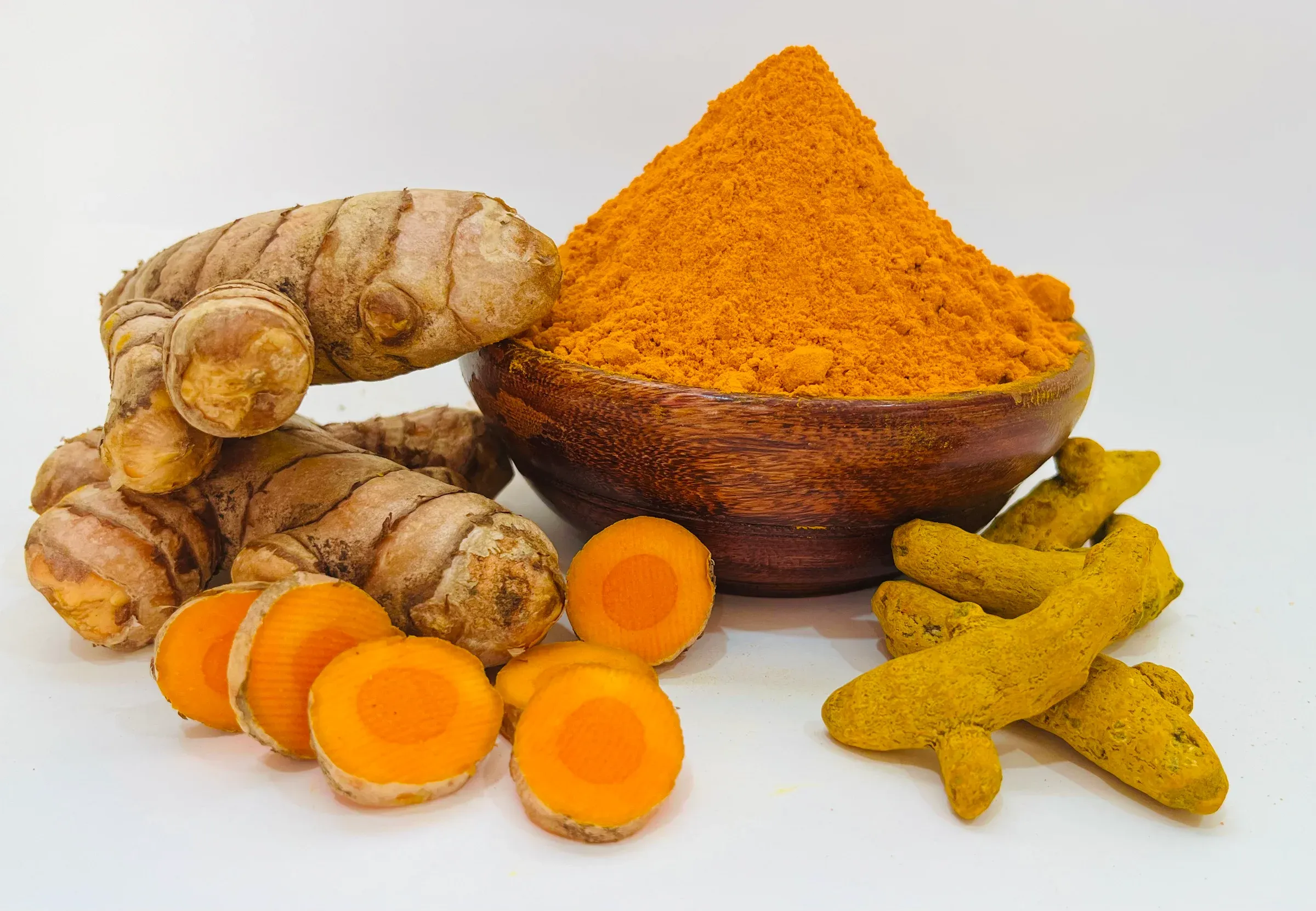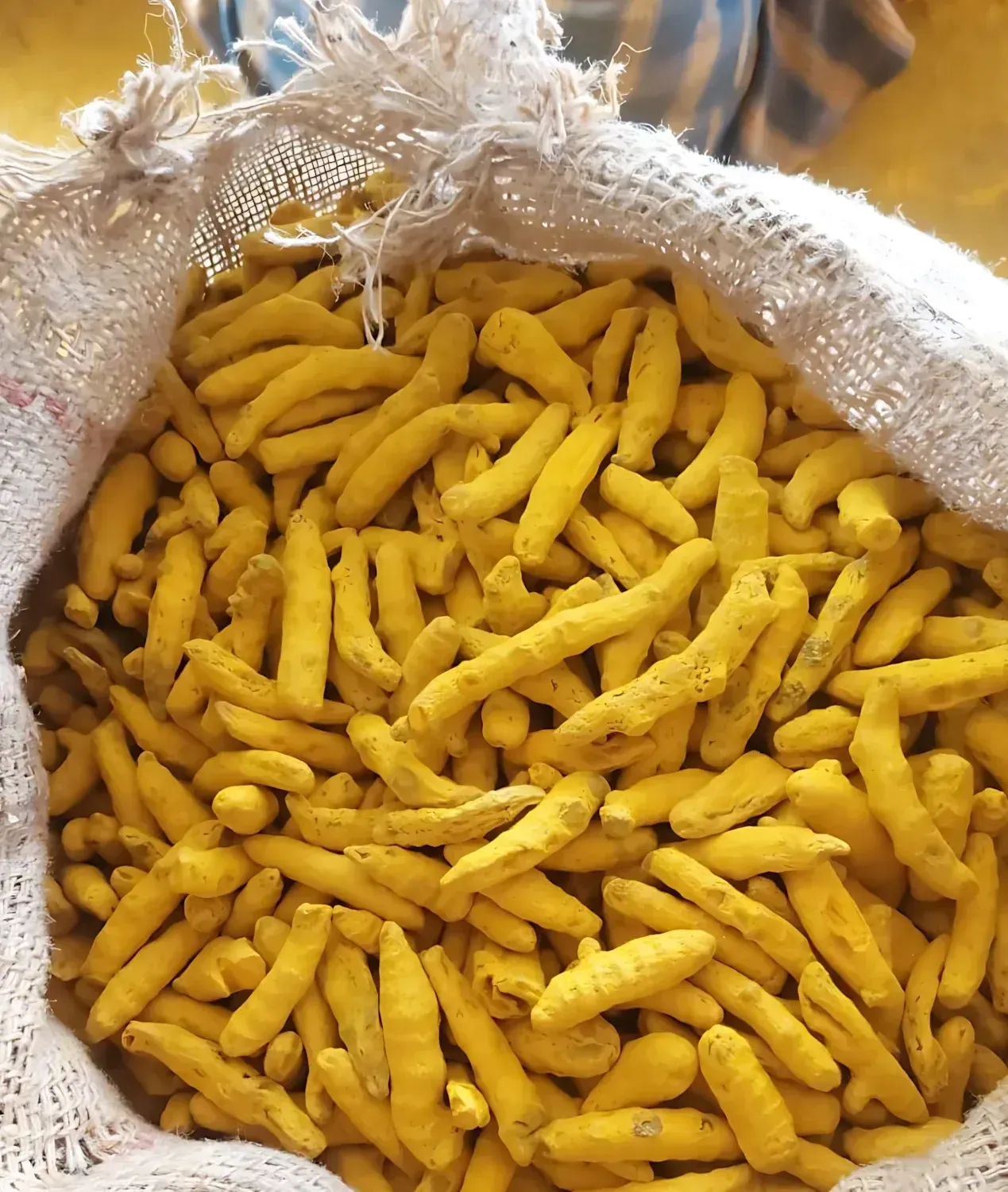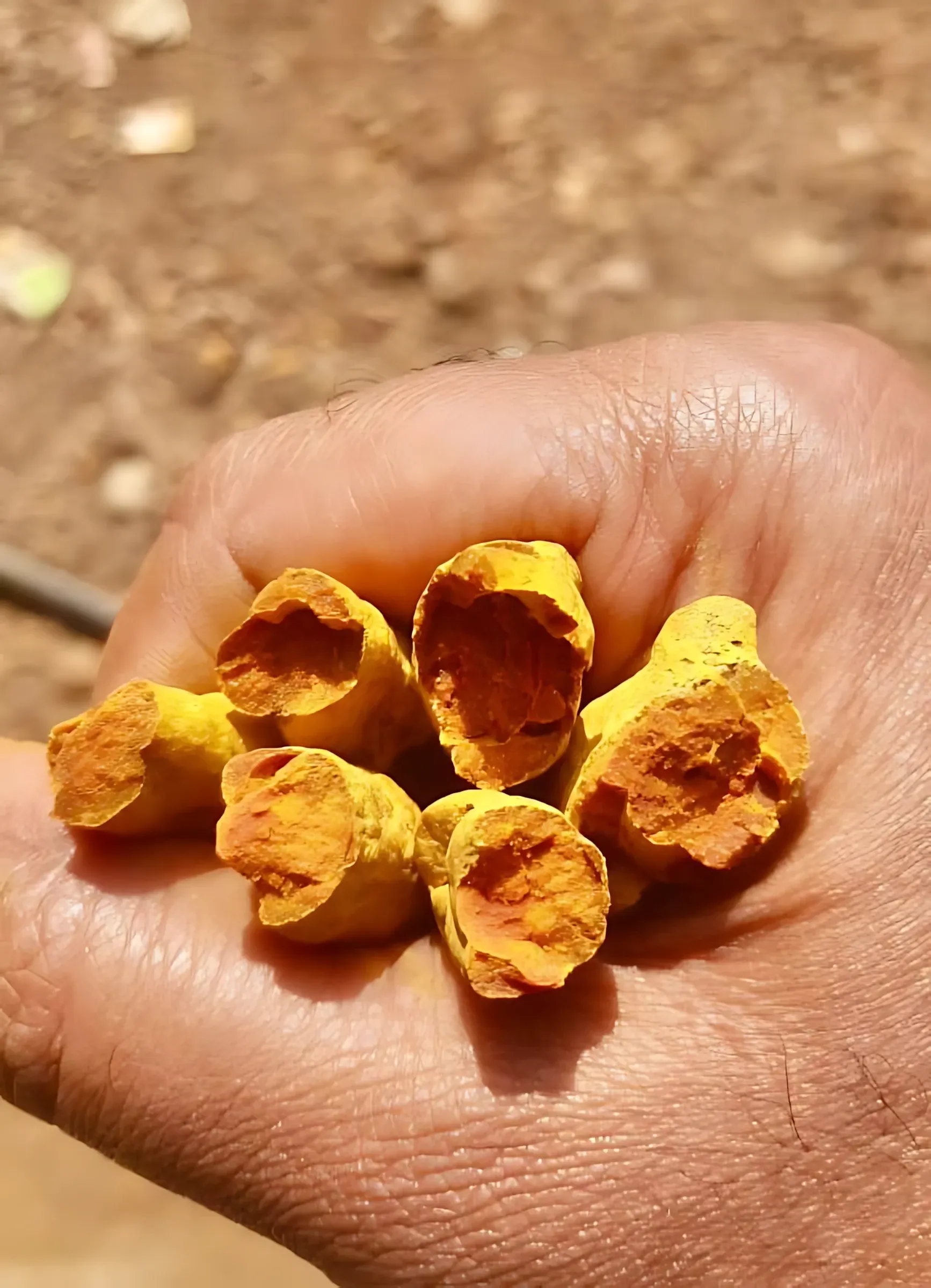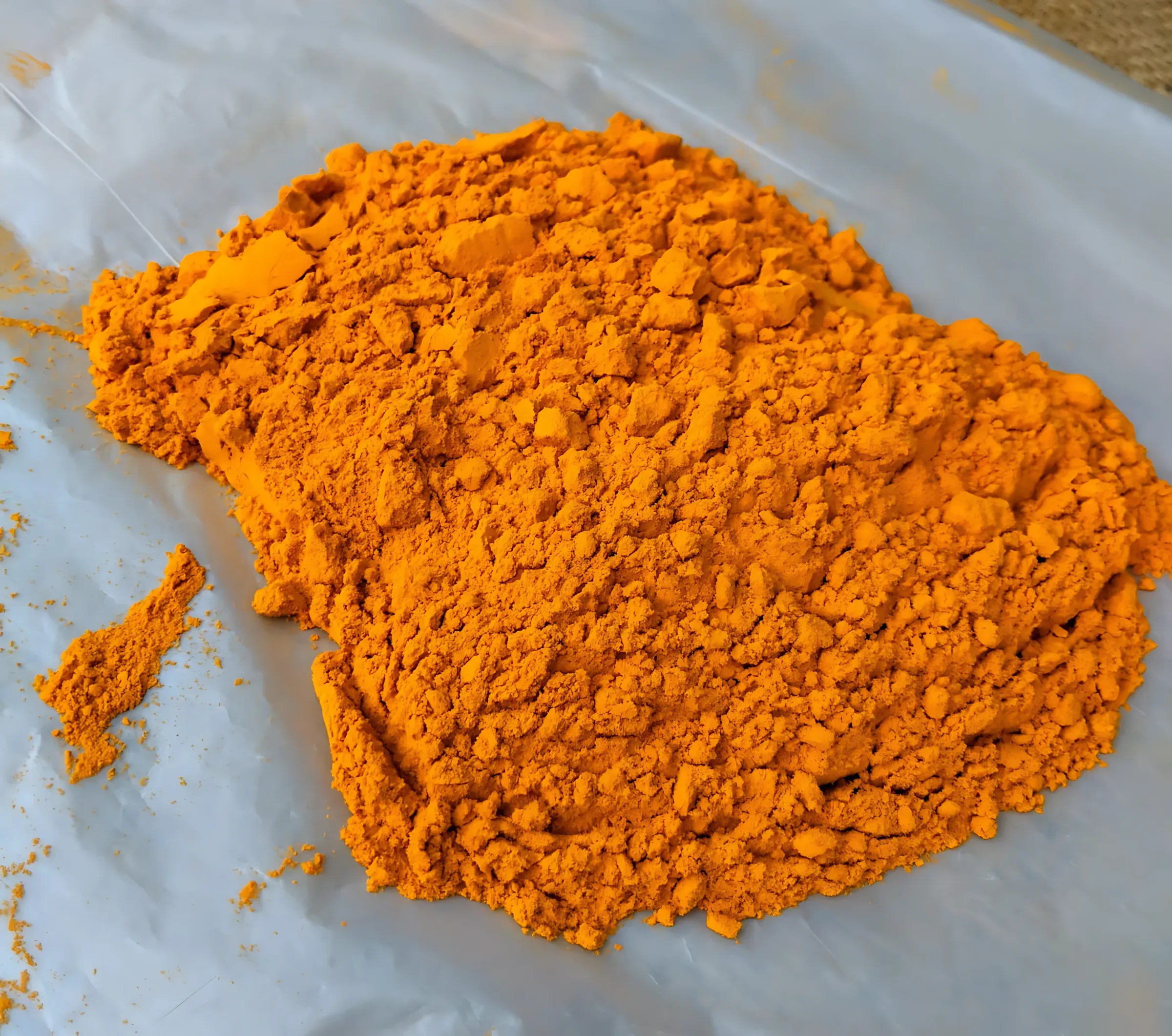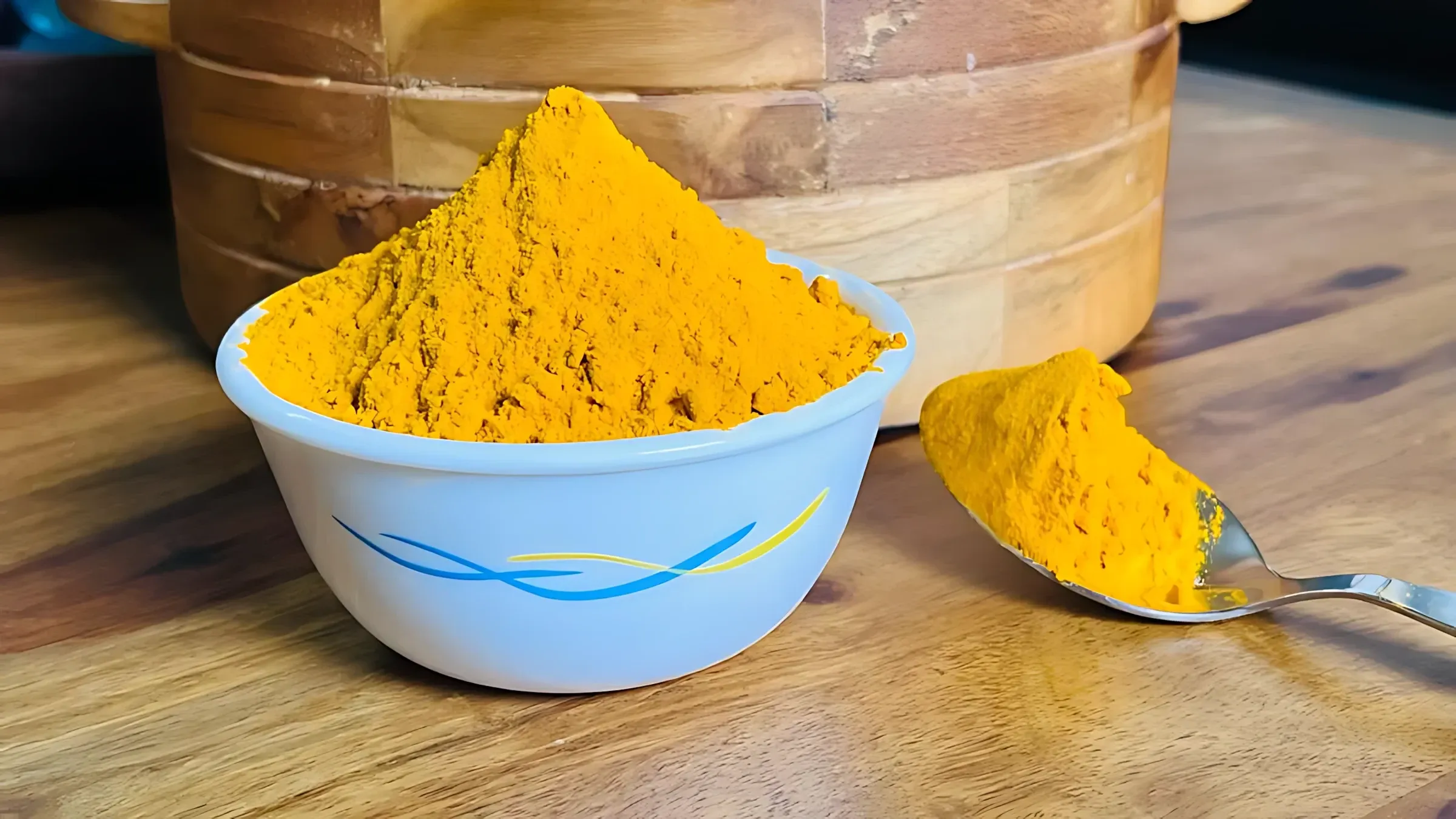
Turmeric’s problem is its own popularity. A spice bought daily, judged mostly by colour, invites exactly the adulteration it gets: starch fillers to add weight, and synthetic dyes — metanil yellow, and in the worst documented cases lead chromate — to fake the brightness that buyers reward.
Food-safety authorities test for these regularly. You can run cruder versions of the same checks at your own counter.
1. The glass of water
Stir half a teaspoon of turmeric into a glass of room-temperature water and leave it alone for ten minutes.
Pure haldi behaves calmly: it sinks, settling into a soft layer at the bottom, tinting the water only lightly. Powder carrying synthetic colour gives itself away fast — dye streams off in vivid yellow trails and the water turns loudly bright while the powder is still falling.
2. The palm rub
Rub a pinch of powder firmly on your palm for twenty seconds.
Pure turmeric presses into the skin as a warm yellow stain with a faint oily feel and an earthy, slightly bitter smell. Heavily cut powder feels chalky and dusty, sheds most of itself as loose powder, and smells of very little — starch has no aroma to give.
3. The hot-milk test
Stir a little into a cup of hot milk — the way most Indian kitchens use haldi anyway.
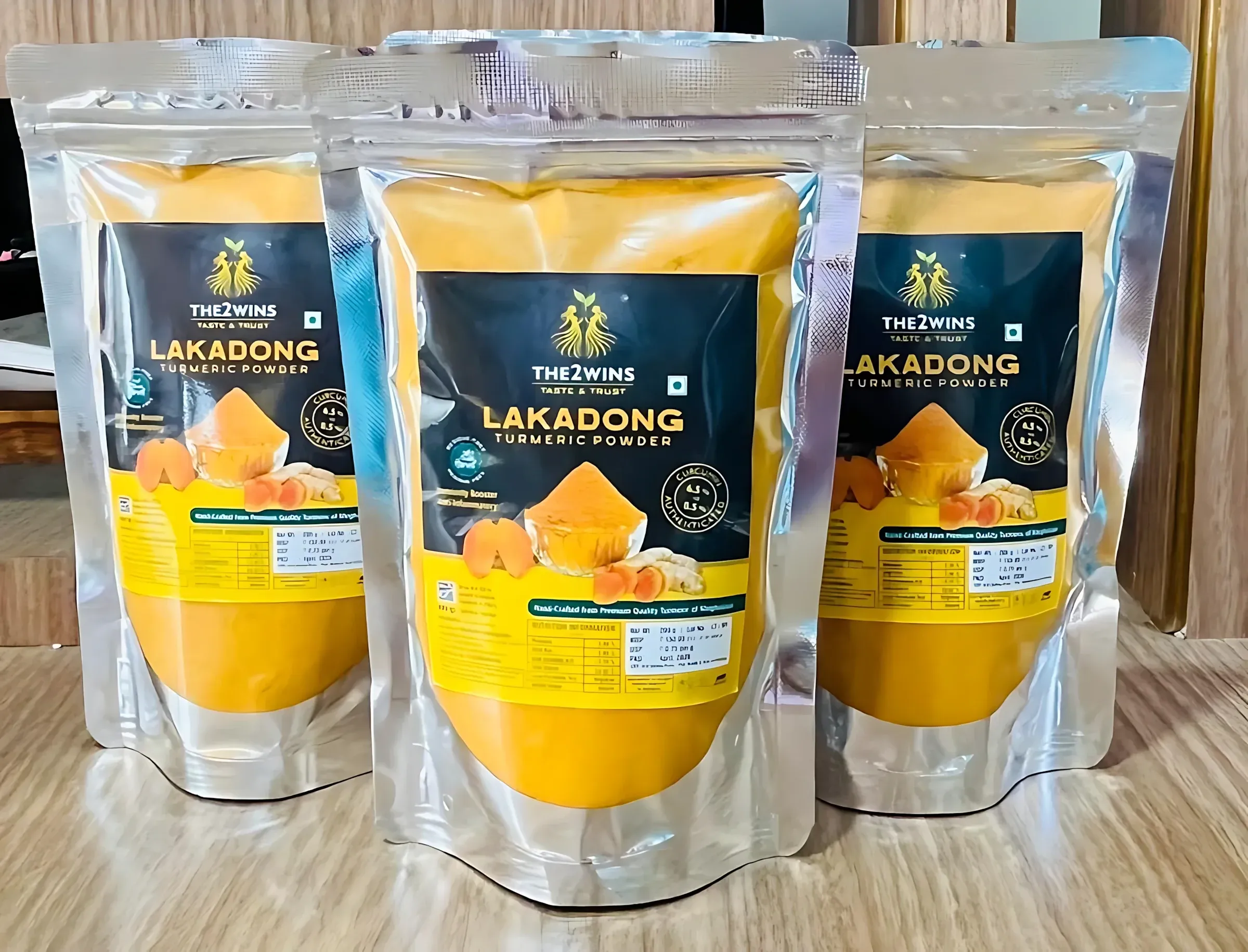
Real turmeric colours milk gradually into a gentle yellow (a strong-curcumin haldi like Lakadong pushes it toward marigold). An instant, lurid yellow that appears before you have finished stirring is the signature of dye, not of good turmeric.
What these checks can and cannot do
Be honest about the limits: these are indicators, not verdicts. A powder can pass all three and still be a weak, over-polished commodity haldi; only laboratory testing can measure curcumin content or detect heavy metals outright.
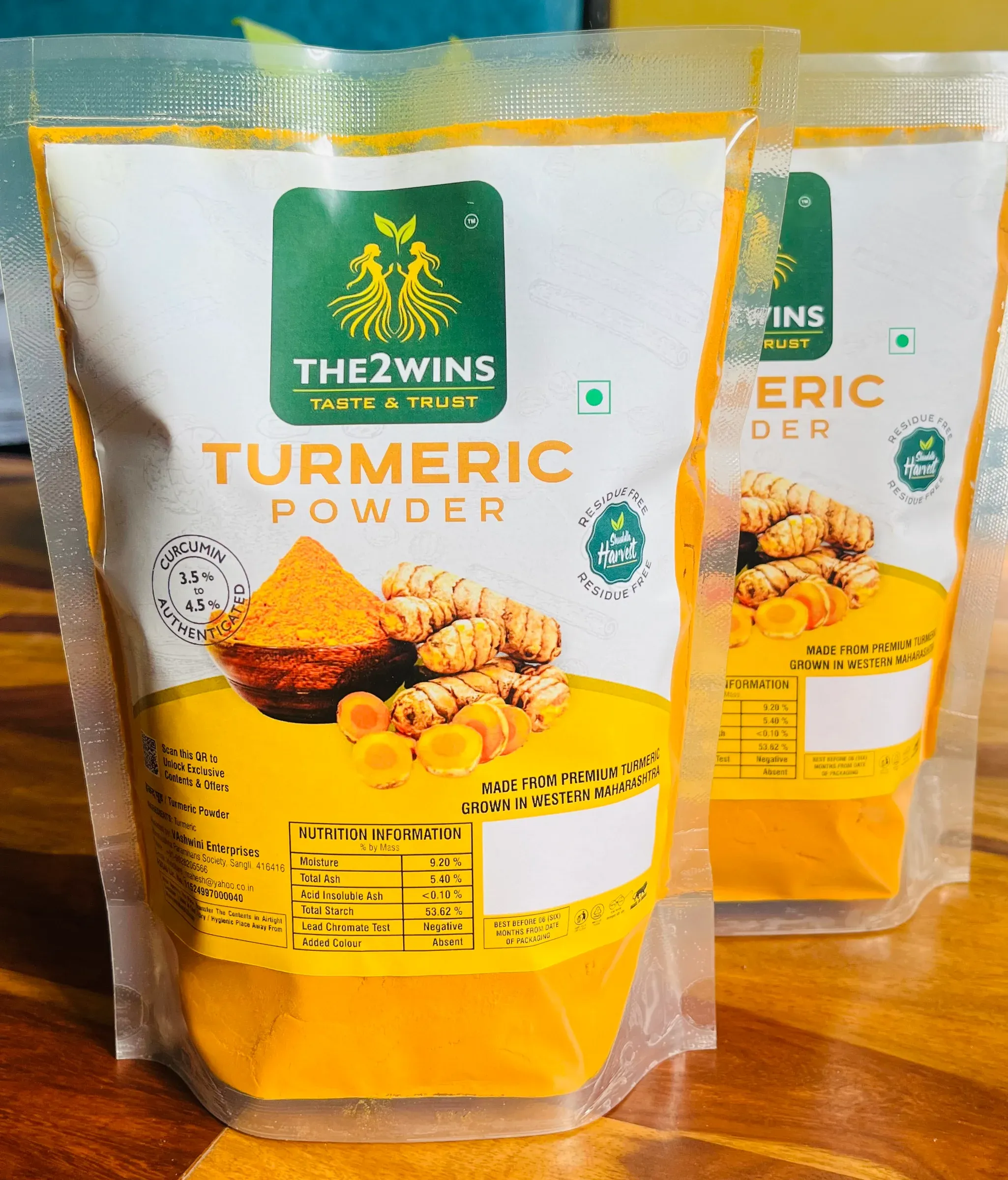
Which is why the more reliable check happens before you buy: know the origin. A single-origin turmeric — from the Sangli belt, or Lakadong under GI Reg. No. 741 — is traceable to a place, a grower and, where it matters, a lab report. Anonymous yellow powder is traceable to nothing.