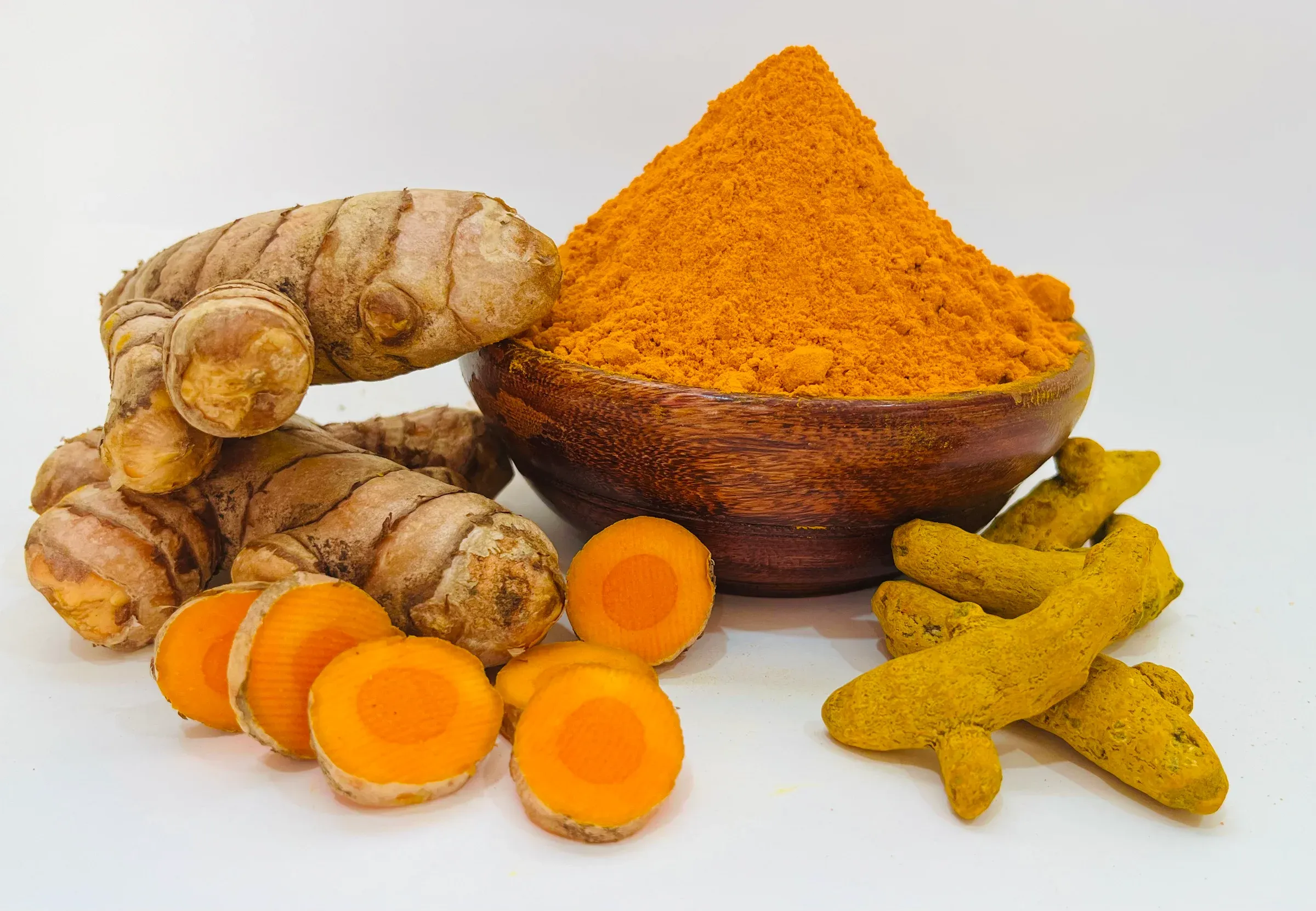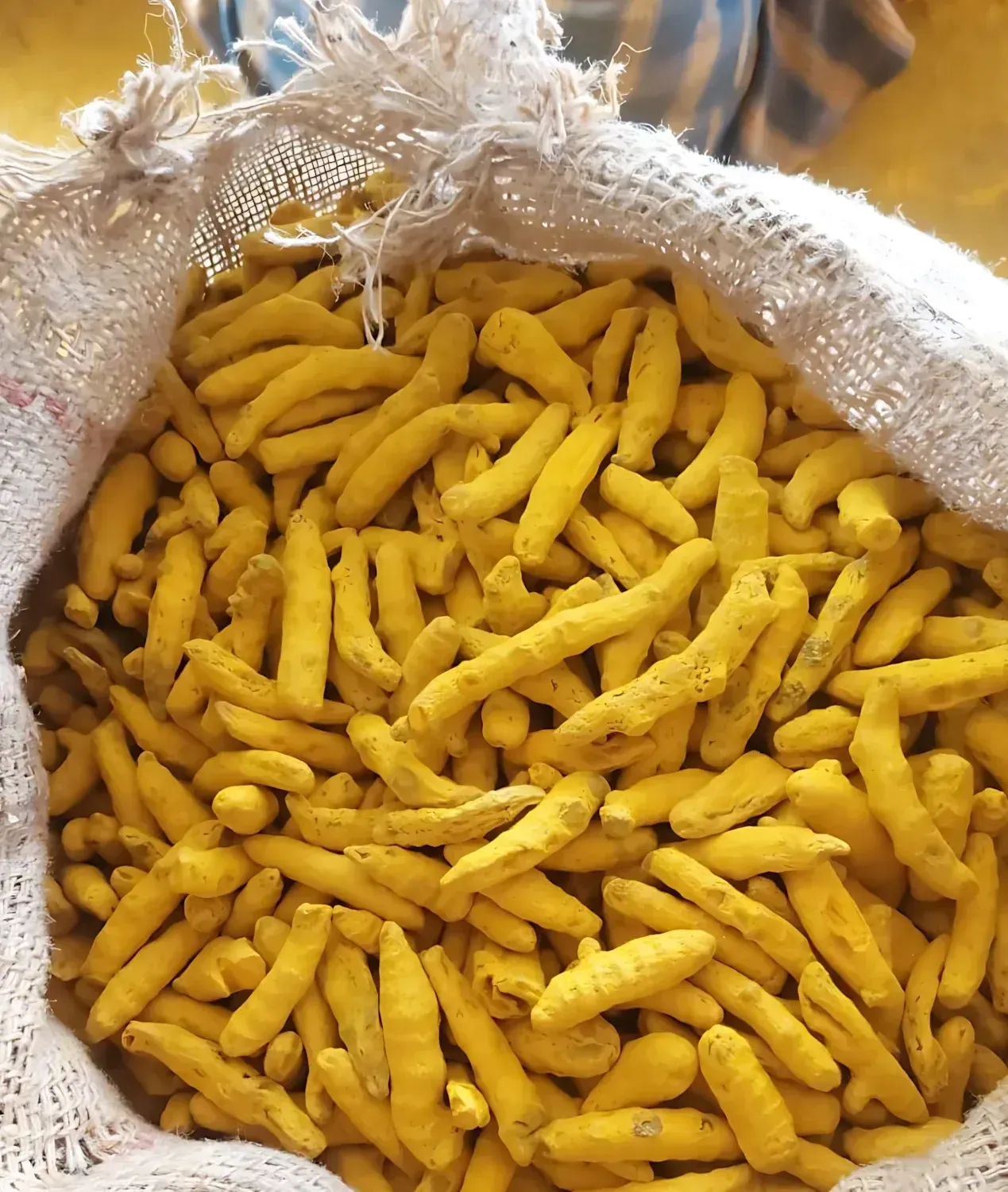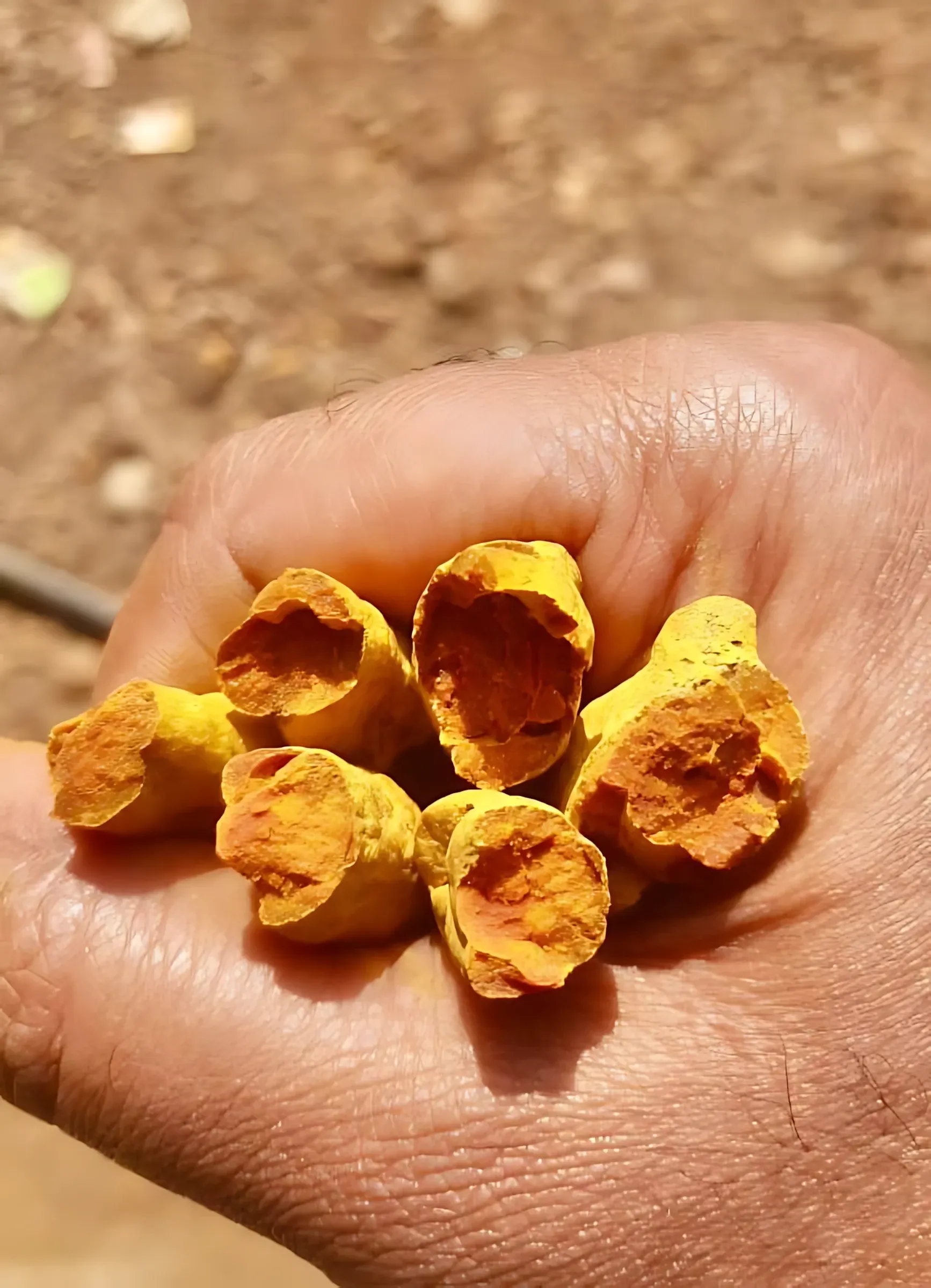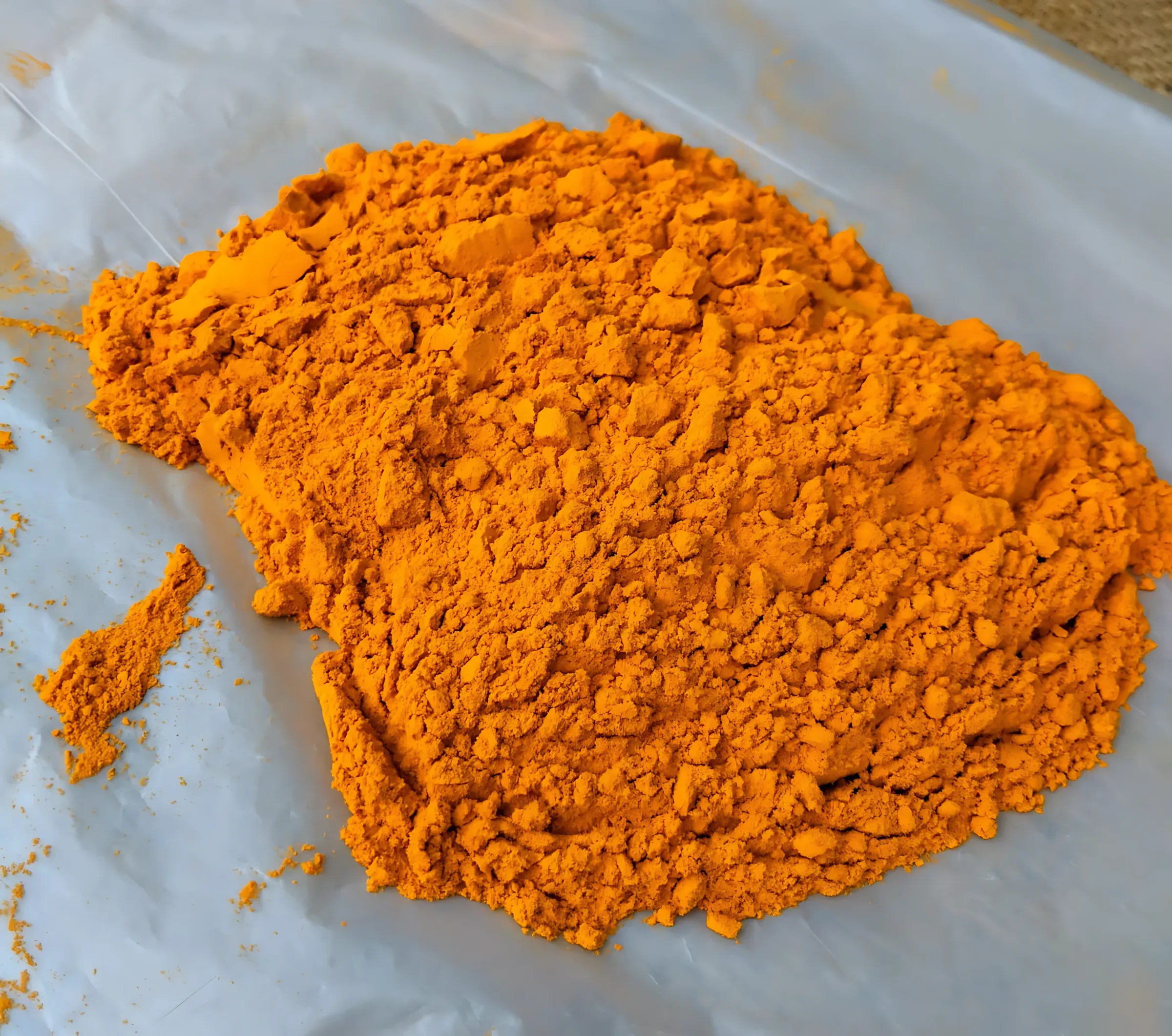
We came across this summary of the current science on turmeric and curcumin and thought it was worth passing on — partly because it is genuinely useful, and partly because it is honest about the limits of what is known. We are reproducing it with credit rather than rewriting it as our own.
🌿 Turmeric & curcumin: a powerful bioactive compound
Turmeric has been used for centuries in traditional food and wellness practices. One of its most extensively studied bioactive compounds is curcumin.
What does the research suggest?
Anti-inflammatory potential: Curcumin has been studied for its ability to influence inflammatory signaling pathways, including NF-κB, which plays an important role in the body’s inflammatory response.
Liver health: Research is exploring curcumin’s antioxidant and anti-inflammatory properties and their potential role in supporting metabolic and liver health. However, turmeric or curcumin should not be considered a treatment for liver disease.
Brain health: Curcumin has also been investigated for its potential effects on oxidative stress, inflammation and pathways associated with neuronal health and plasticity. Human evidence for cognitive benefits remains an active area of research.
Bioavailability matters: Curcumin is naturally absorbed poorly. Piperine, a compound found in black pepper, can substantially increase curcumin absorption. Taking curcumin with dietary fat may also influence its absorption.
The bigger message: Turmeric can be a valuable part of a diverse, balanced diet. Its potential benefits are promising, but more high-quality human research is needed to determine how much curcumin is beneficial and for whom.
Traditional wisdom + modern food science = better understanding of functional foods.
— Shared by Buddh SuBhash. Source: Healthy Living. Credits to the rightful owner. Originally posted on LinkedIn.
Why we are sharing it
Two lines in there match what we have always said on this site, and one is a useful corrective.
The corrective first: “more high-quality human research is needed.” That is the sentence a spice seller is least likely to quote, which is exactly why it belongs here. Turmeric is food. Our certifications page says plainly that we make no medical claims, and nothing above changes that — the piece itself notes that curcumin should not be treated as a therapy for liver disease.
The two that match: bioavailability and fat. The pepper-with-turmeric pairing that every Maharashtrian kitchen already does in a kadha, and the habit of blooming haldi in hot oil or stirring it into milk, both turn out to have a mechanism behind them. Our haldi doodh recipe calls for pepper for this reason, not for heat.
Where our own numbers sit
The article talks about curcumin in general terms. For what it is worth in specifics, our turmeric is tested and the reports are published:
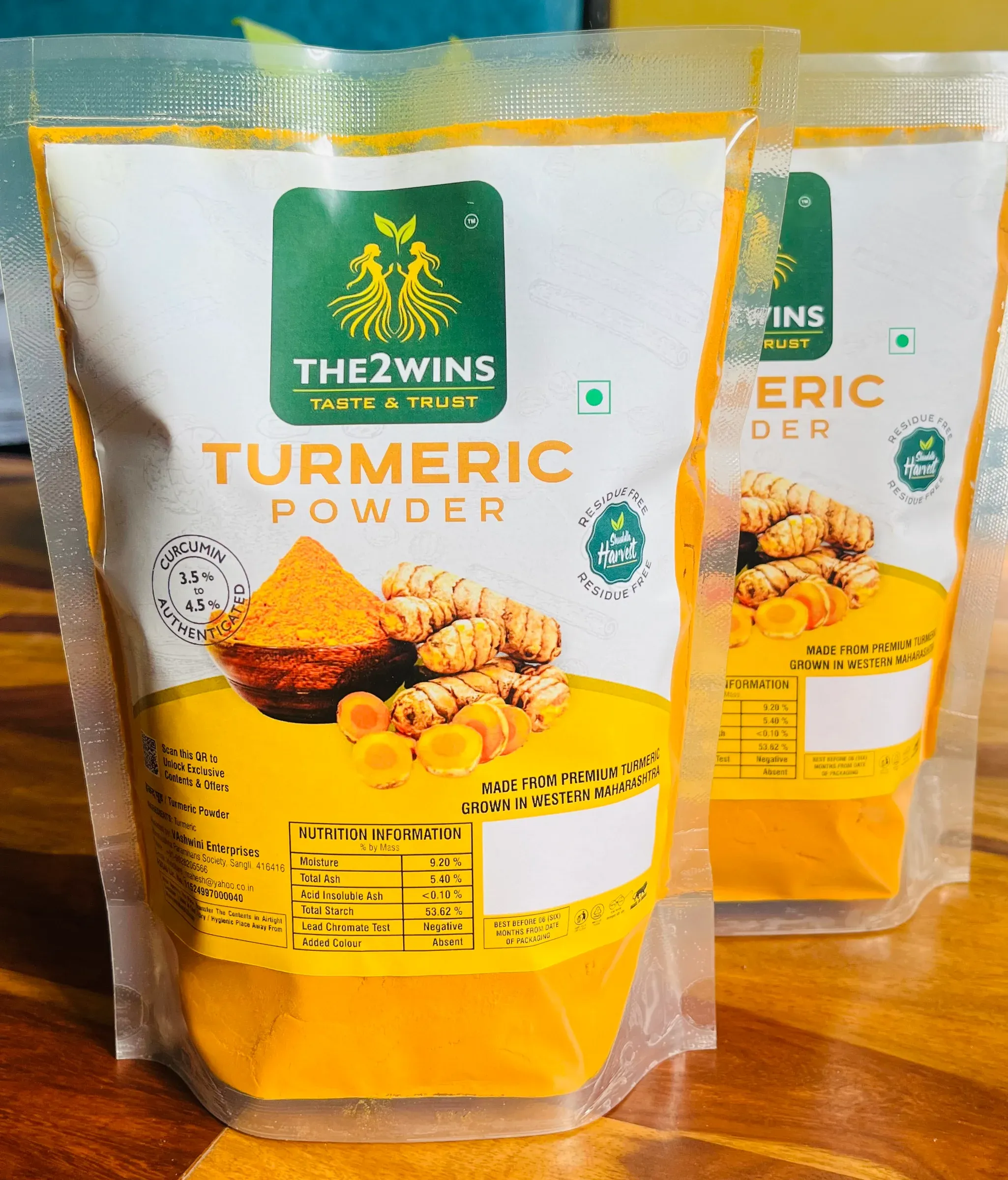
- Sangli Turmeric Powder — total curcuminoids 3.30% on the current FSSAI lab report (ref. FSSA/26-27/S1238/1), against a regulatory minimum of 2.0%.
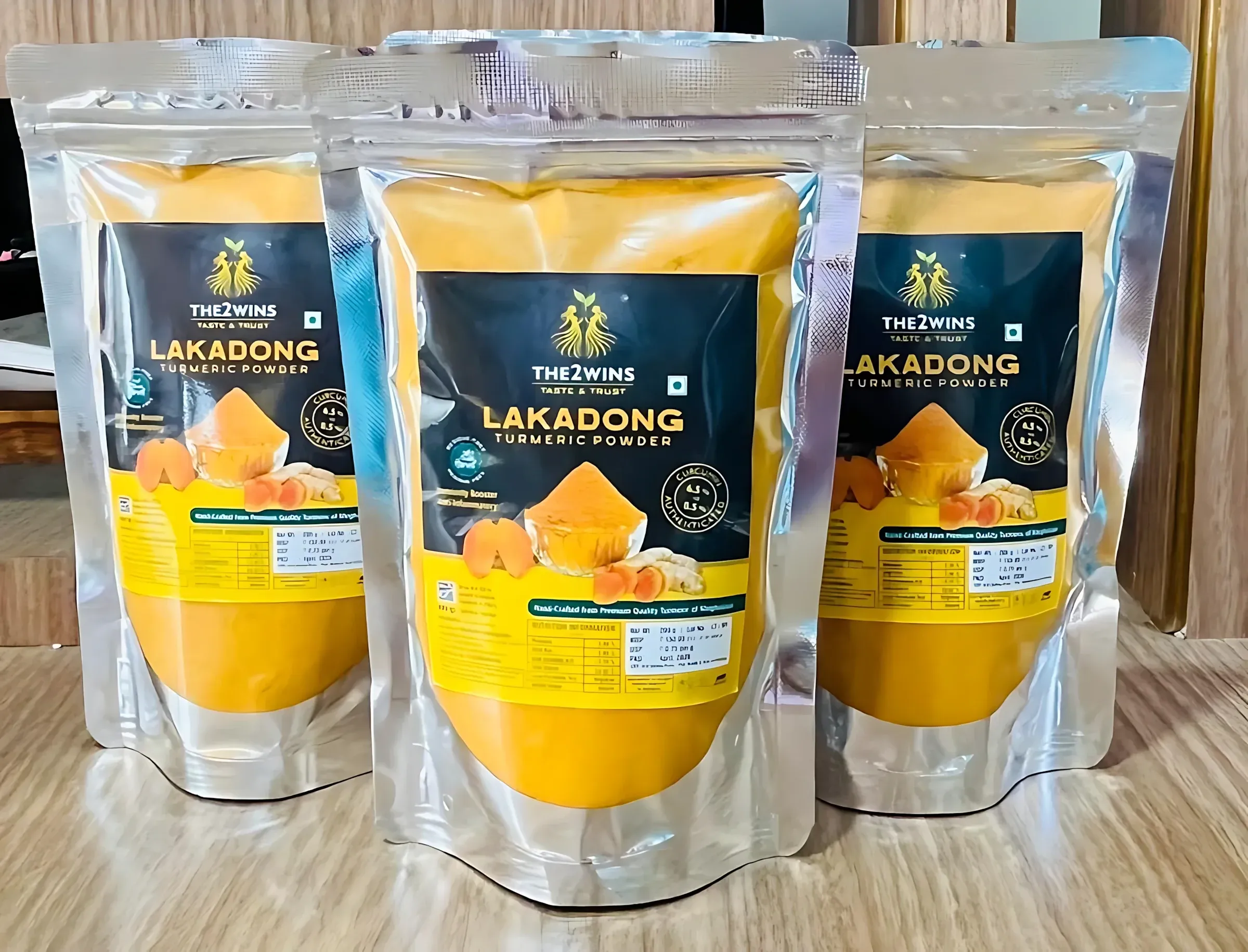
- Lakadong Turmeric Powder — 6.5–8.5% curcumin, per the supplier’s report on the Meghalaya crop.
Both figures, and the documents behind them, are on the certifications page. As the piece above says, how much curcumin is beneficial and for whom is still an open question — so we publish the number our report supports and let you make of it what you will.
Traditional uses described here are general knowledge about these foods, not medical advice.