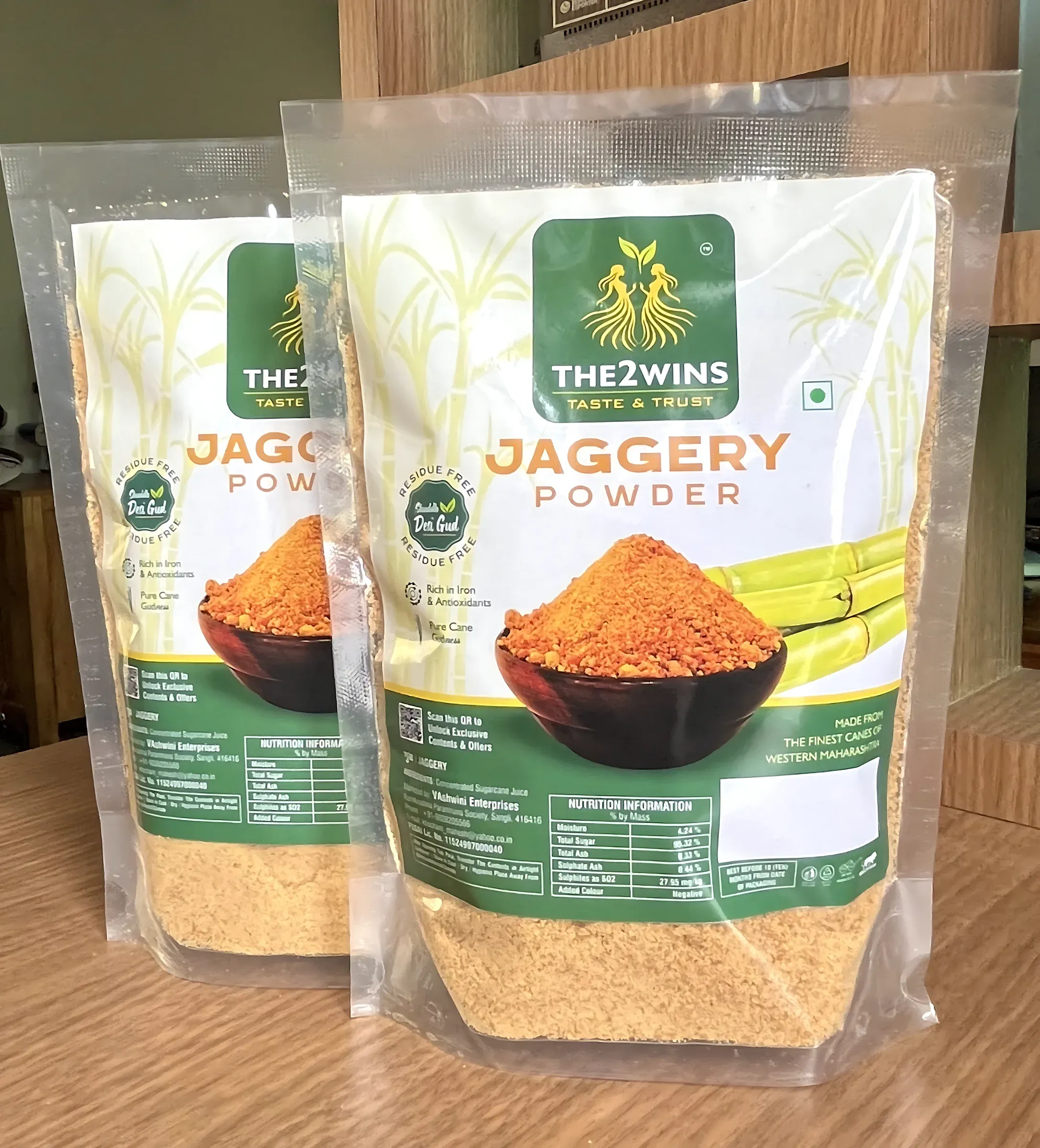
We sell jaggery, so you might expect this article to tell you it is a health food. It is not — and pretending otherwise is exactly the kind of claim we built this brand to avoid. Here is the honest version.
The same plant, two different processes
White sugar and jaggery both start as sugarcane juice. From there they part ways.
Refined sugar is the end of a stripping process: the juice is clarified, crystallised and separated until nothing remains but sucrose. The molasses — where the cane’s minerals and flavour live — is removed and sold off separately.
Jaggery is the whole juice, simply boiled down. Nothing is separated out, so the iron, calcium, magnesium and potassium of the cane stay in the gur, along with the dark caramel flavour that refining deletes.
What genuinely changes when you swap
Minerals. Jaggery retains what sugar strips. In a diet where sweetener is used daily, choosing the unrefined form means those trace minerals come along instead of being processed away.
Flavour. This is the biggest everyday difference. Gur brings a rounded, toffee-like depth — chai, sheera, laddoos and festival sweets were designed around it, and taste flatter without it.
Processing. A jaggery like ours involves a fire, a pan and a person. No bleaching, no anti-caking agents, no refining chemistry.
What does not change
Jaggery is still overwhelmingly sugar. It carries roughly the same calories, spoon for spoon, and it is not a licence to sweeten more. Anyone managing their sugar intake should treat gur with the same respect as the white stuff. The case for jaggery is about what it keeps and what it avoids — not about eating more of it.
Swapping in the kitchen
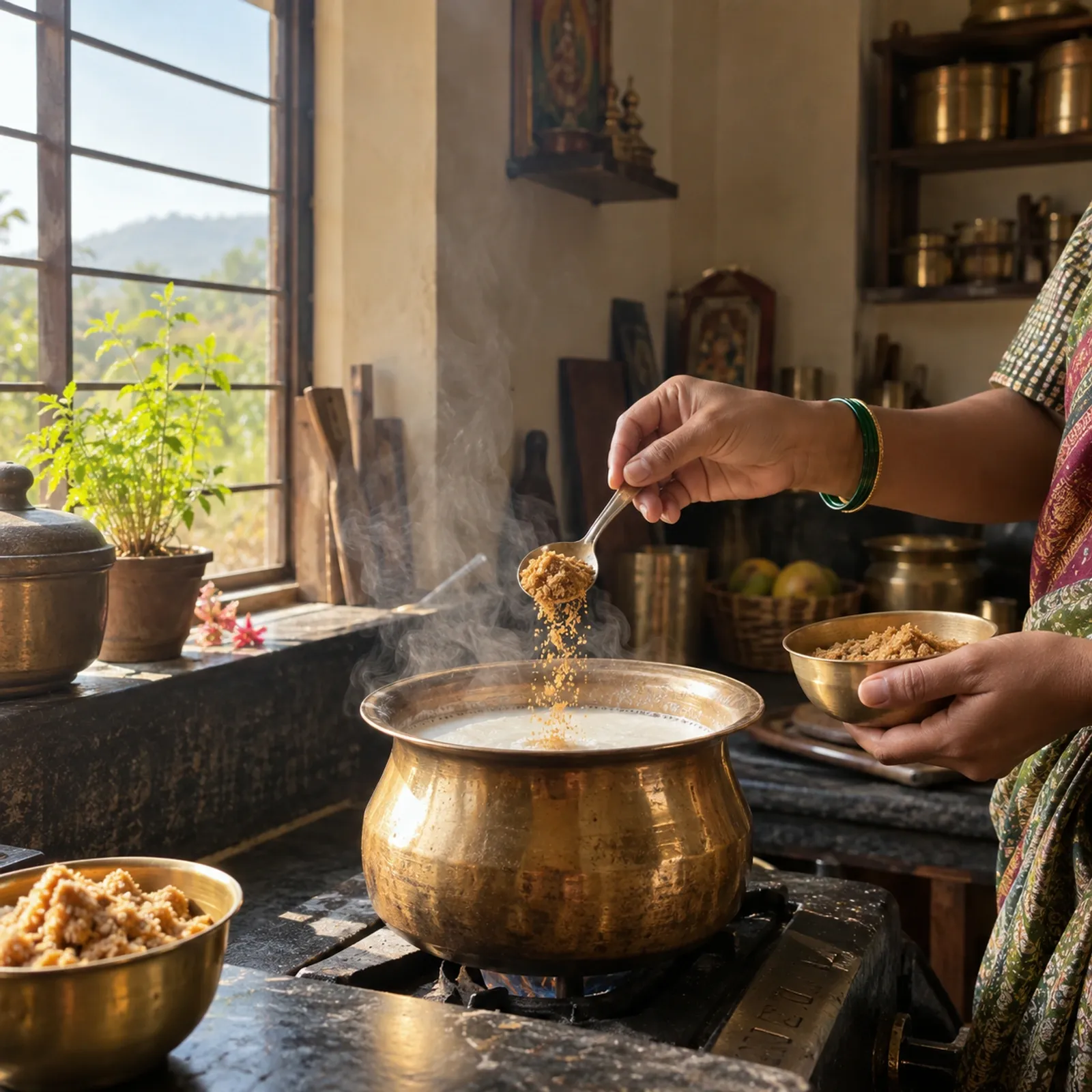
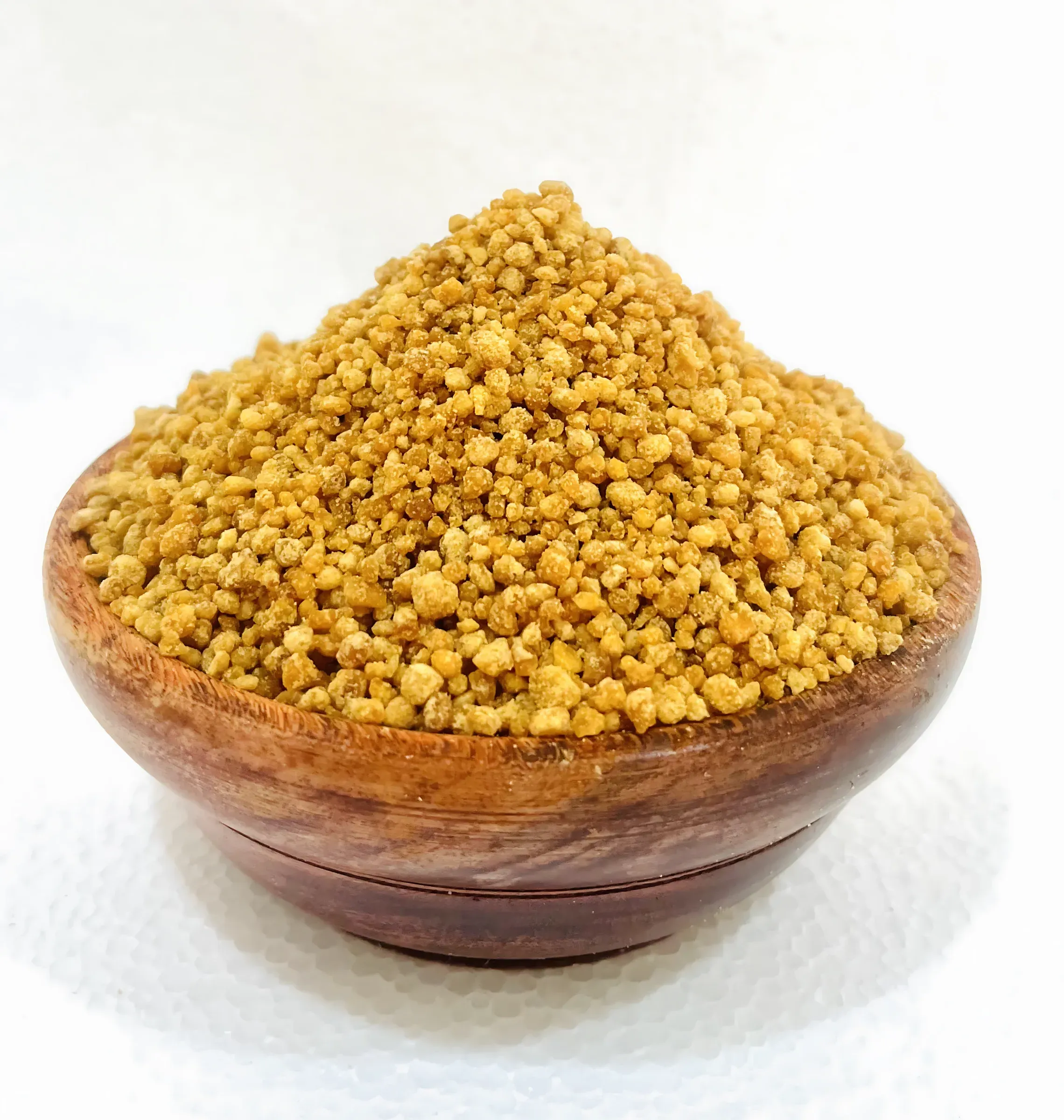
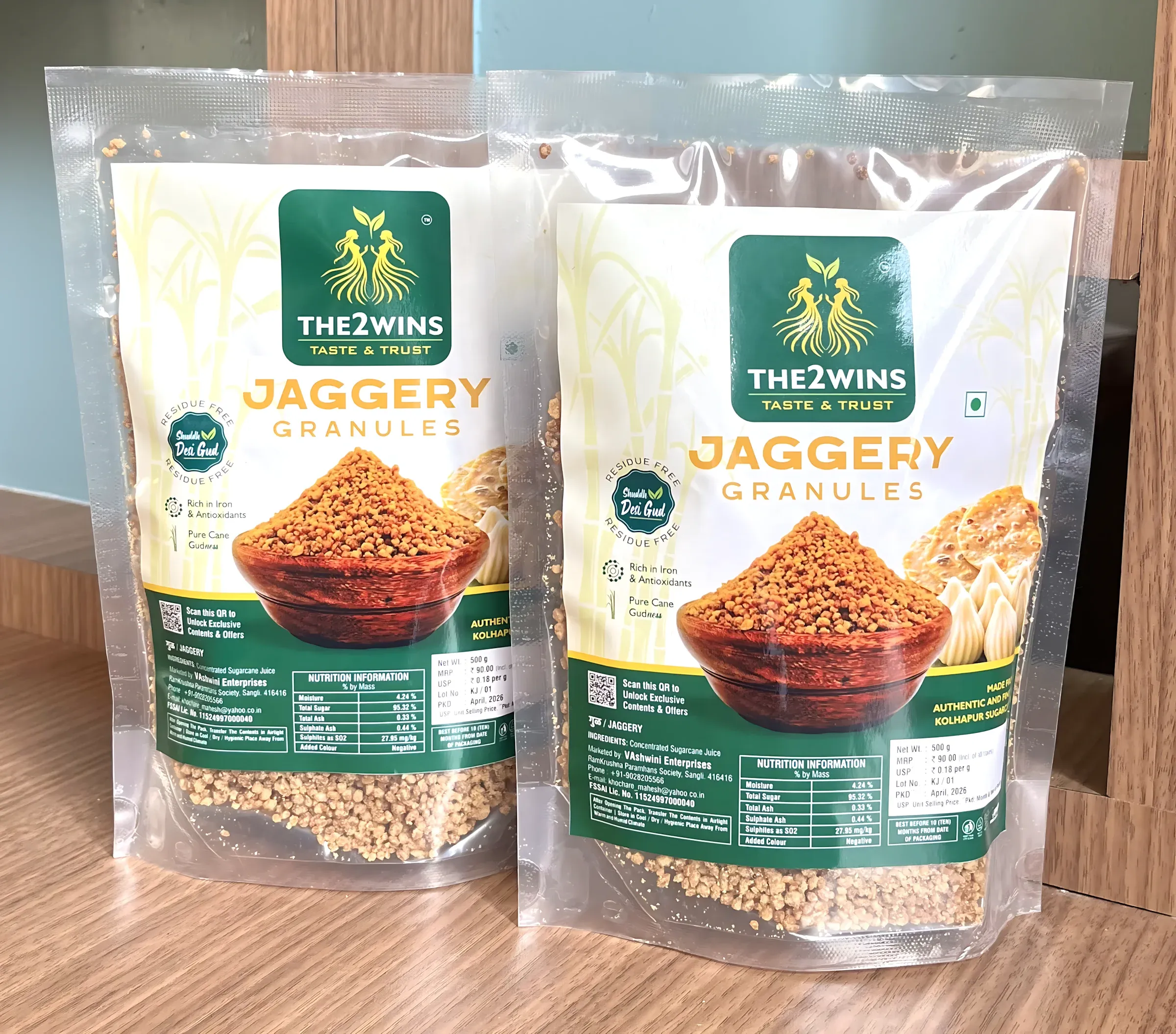
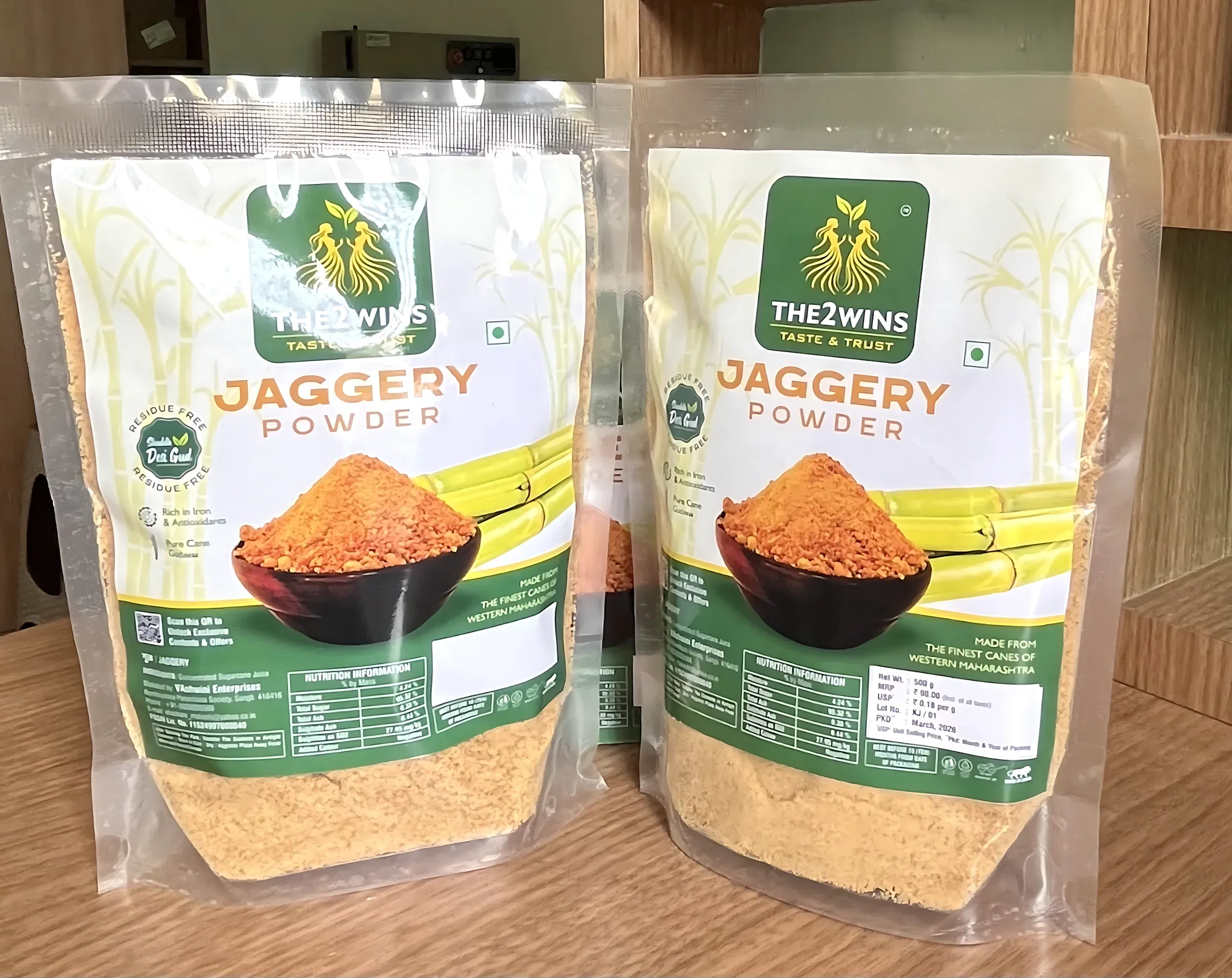
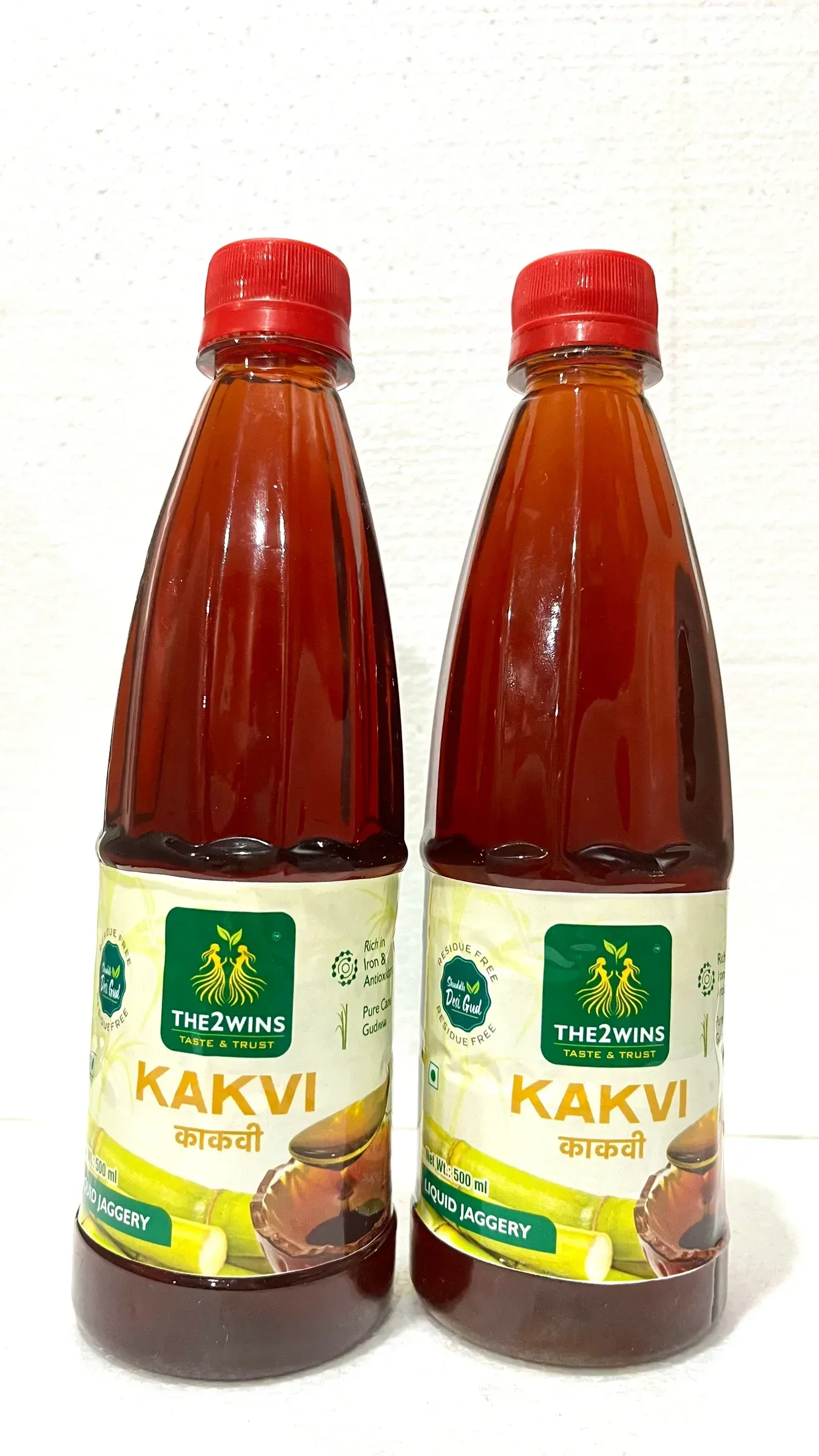
Substitute roughly one-for-one by weight, tasting as you go — good gur can drink a little less. Powder dissolves fastest in chai, warm milk and festival cooking; granules scoop and measure like sugar at the table; kakvi pours straight over bhakri or into curd. One rule matters: add jaggery off the boil when milk is involved, or it can split the pot.